


What Is a Bridal Makeup Trial and Why Have One?
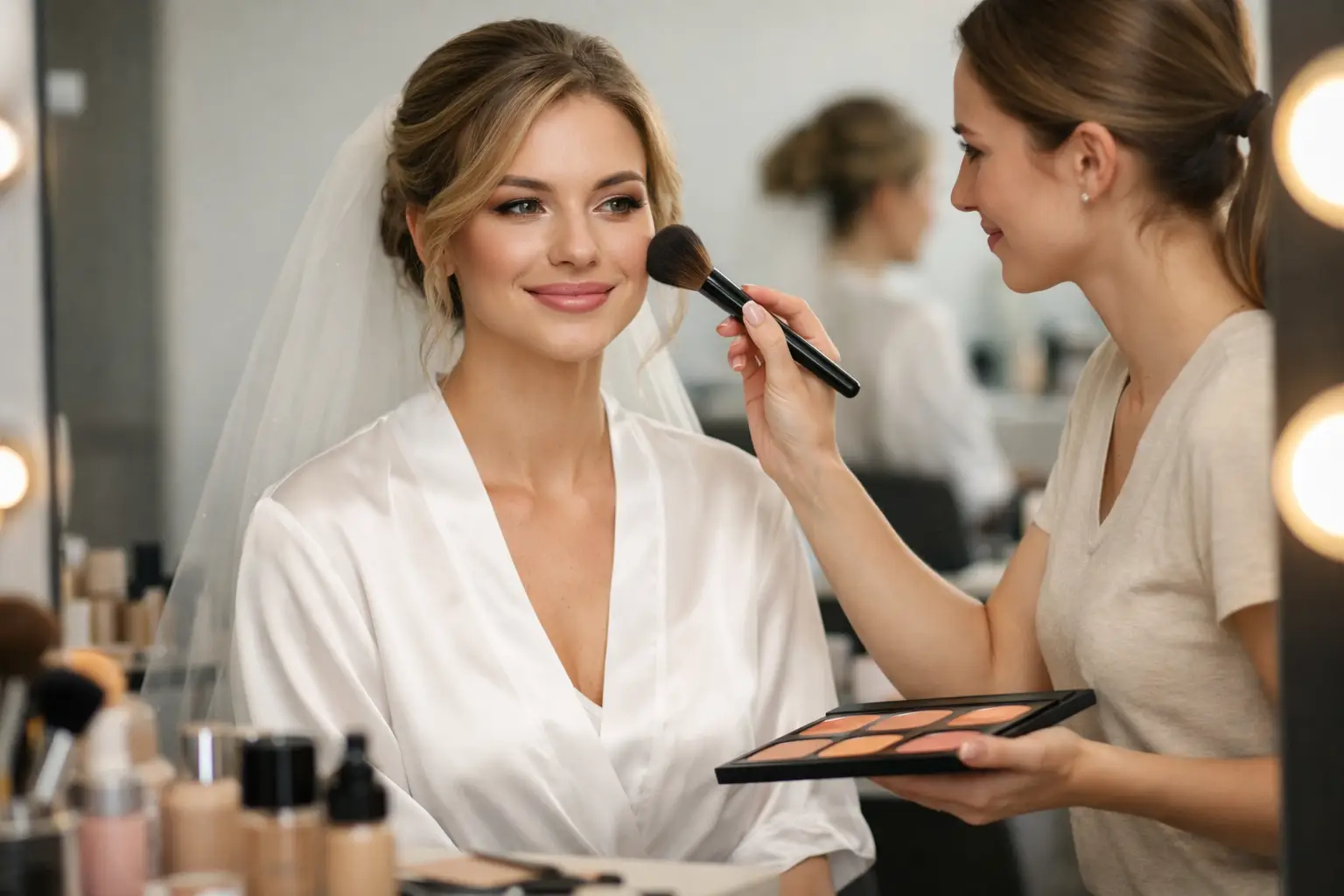
A wedding-day makeup look has to do more than look beautiful in a mirror. It must hold its presence through a first look, ceremony tears, flash photography, natural light, candlelight, close-up video, and a room full of people seeing you from every angle. So, what is a bridal makeup trial? It is a dedicated, pre-wedding artistry appointment where your vision is translated into a complete, wearable look and refined before the celebration arrives.
For a bride investing in a considered wedding wardrobe, a meaningful venue, and professional imagery, the trial is not an optional beauty rehearsal. It is where personal style, cultural tradition, skin needs, and the visual language of the day come into focus.
What Is a Bridal Makeup Trial?
A bridal makeup trial is a one-on-one appointment with your makeup artist, usually scheduled several weeks or months before the wedding. The artist assesses your skin, discusses your reference images and overall aesthetic, then creates a proposed wedding look. Rather than simply copying a photograph, the artist considers the individual elements that make the look work on you: your complexion, face shape, features, comfort level, hairstyle, gown, jewelry, venue, and photography plan.
The finished result may be soft and luminous, sculpted and fashion-forward, or richly defined for a formal cultural celebration. The point is not to leave with one fixed idea of “bridal makeup.” It is to arrive at an intentional direction that feels like you at your most polished.
A thoughtful trial also creates a shared visual vocabulary. Words such as natural, glamorous, soft, or full coverage can mean very different things to different people. Seeing the makeup on your own face turns those broad descriptions into precise decisions: how much definition you want at the eye, whether the complexion should read velvety or radiant, how a lip color balances the gown, and what level of contour still feels elegant in daylight.
Why the Trial Matters Beyond the Mirror
The best bridal beauty is designed for a real environment, not just a close-up selfie. A makeup look that appears subtle under strong studio lighting may disappear in a grand ballroom. Conversely, a very luminous complexion can become overly reflective on camera depending on the skin prep, flash, and event lighting. Your trial gives the artist and bride space to consider this balance without the pressure of a wedding timeline.
This is especially valuable for celebrations with multiple visual settings. A New York ceremony may begin in daylight and end under dramatic reception lighting. A destination wedding can introduce humidity, wind, intense sun, or a schedule that starts before sunrise. The makeup should be tailored accordingly, with choices made for longevity and photographic dimension rather than trend alone.
It also protects the feeling of the wedding morning. When the direction has already been established, there is less second-guessing, less experimentation, and more room for calm. Your artist comes prepared with an understanding of what has been approved, what needs to be adjusted, and what will make you feel most confident as you step into the day.
A Couture Approach to Personal Beauty
For couture and fashion-minded brides, a trial is where makeup becomes part of the complete composition. The cut of a gown, the finish of its fabric, the scale of an earring, and the structure of the hair all influence the beauty direction. A clean silk column gown may call for a different complexion and lip than a heavily embellished lehenga or a romantic lace ceremony dress.
The same principle applies to bridal hair, even when the appointment is focused on makeup. If you are deciding between an updo and long waves, the placement of hair around the face can alter how much eye definition or cheek structure feels balanced. Bringing images of the gown, accessories, and possible hairstyle helps the artist design a cohesive result rather than treating makeup as a separate detail.
What Happens During the Appointment
A well-run trial begins with conversation. Your artist will want to know how you typically wear makeup, what you love in your reference images, and what you do not want. This last point is often just as revealing. Perhaps you dislike a heavy under-eye finish, do not recognize yourself in a very sharp contour, or want to avoid a lip color that requires constant attention. Those preferences should shape the process.
Skin is then evaluated in its current condition. Dryness, sensitivity, texture, acne, pigmentation, and oil production all affect product selection and application technique. A skilled artist can create a refined finish across many skin types, but a trial is the time to identify how your skin receives the products and whether your preparation routine needs any adjustment before the wedding.
The artist builds the look in layers, checking proportion as the makeup develops. You may compare a softer eye with a more elongated shape, test a satin lip against a more defined color, or decide whether a luminous highlight photographs as intended. This is not an appointment to rush. Small refinements often create the difference between makeup that is simply pretty and makeup that feels unmistakably yours.
When appropriate, take photographs in natural light as well as indoor light. A short video can also be useful, particularly if your celebration will be professionally filmed. Keep in mind that a phone camera is only one reference point. Professional cameras, lenses, and editing can render makeup differently, which is why experienced bridal artistry is built around both visual knowledge and in-person finish.
What to Bring to a Bridal Makeup Trial
Come prepared, but not overprepared. Your artist does not need a perfect mood board with dozens of nearly identical images. A focused collection of references is more useful, especially when you can identify what you like in each one. Is it the skin finish, the eyeliner shape, the blush placement, or the overall feeling?
Bring images of your gown or outfits, wedding jewelry, and any hair inspiration you are seriously considering. If you plan to wear a dupatta, veil, or statement headpiece, a photograph showing its placement can be helpful. For South Asian and multicultural brides, these details are essential to the design, not an afterthought. The scale of bridal jewelry, the color story of the attire, and traditions surrounding the ceremony may call for greater definition, different tonal choices, or a makeup transition between events.
If you have products you use regularly because of allergies, sensitivities, or a particular shade preference, mention them in advance and bring them if requested. It is also wise to arrive with a clean face unless your artist advises otherwise. This allows the skin preparation and wear test to begin from an honest baseline.
Questions Worth Asking During the Trial
A trial should leave you feeling informed, not merely impressed. Ask how the makeup is expected to wear over the length of your day and what touch-up items you should keep nearby. Discuss whether the lip color will need reapplication after meals, how to manage tears without disturbing the base, and whether the planned finish suits both your ceremony and reception lighting.
If you are considering a skincare treatment, a tan, facial hair removal, or a significant change in your routine, ask about timing. The final weeks before a wedding are not ideal for discovering that a new product causes irritation. Your artist may also advise on a simple, appropriate skin-prep plan, but should never pressure you into an unnecessarily complicated regimen.
For a wedding with more than one look, be clear about the schedule. A daytime ceremony look and an evening reception transformation may be worth planning separately, particularly when there is an outfit change or a more dramatic cultural event. It depends on the pace of the day, available time, and whether the change will add genuine impact rather than stress.
When Should You Schedule It?
Most brides benefit from scheduling their trial after the gown and overall wedding aesthetic are reasonably defined, but before the final stretch of wedding planning becomes crowded. A window of roughly two to five months before the wedding often works well. It allows enough time to make thoughtful adjustments while keeping your hair color, skin condition, and style preferences close to where they will be on the day.
For destination weddings, arrange the trial early enough to account for travel logistics and local climate. If an in-person trial is not possible, a detailed consultation becomes even more important. Share clear photographs, discuss lighting and weather, and establish an exact service timeline well before arrival.
At BridalGal, this process is approached as bespoke visual preparation: artistry shaped around the bride, the celebration, and the way the day will be seen. The goal is a finish that feels sophisticated in person and remains beautifully legible through photography and film.
A bridal makeup trial should leave you with more than a saved inspiration photo. It should give you the rare luxury of certainty: the confidence that when the wedding morning begins, your beauty look has already found its point of view.