


How to Prepare for Bridal Makeup Beautifully
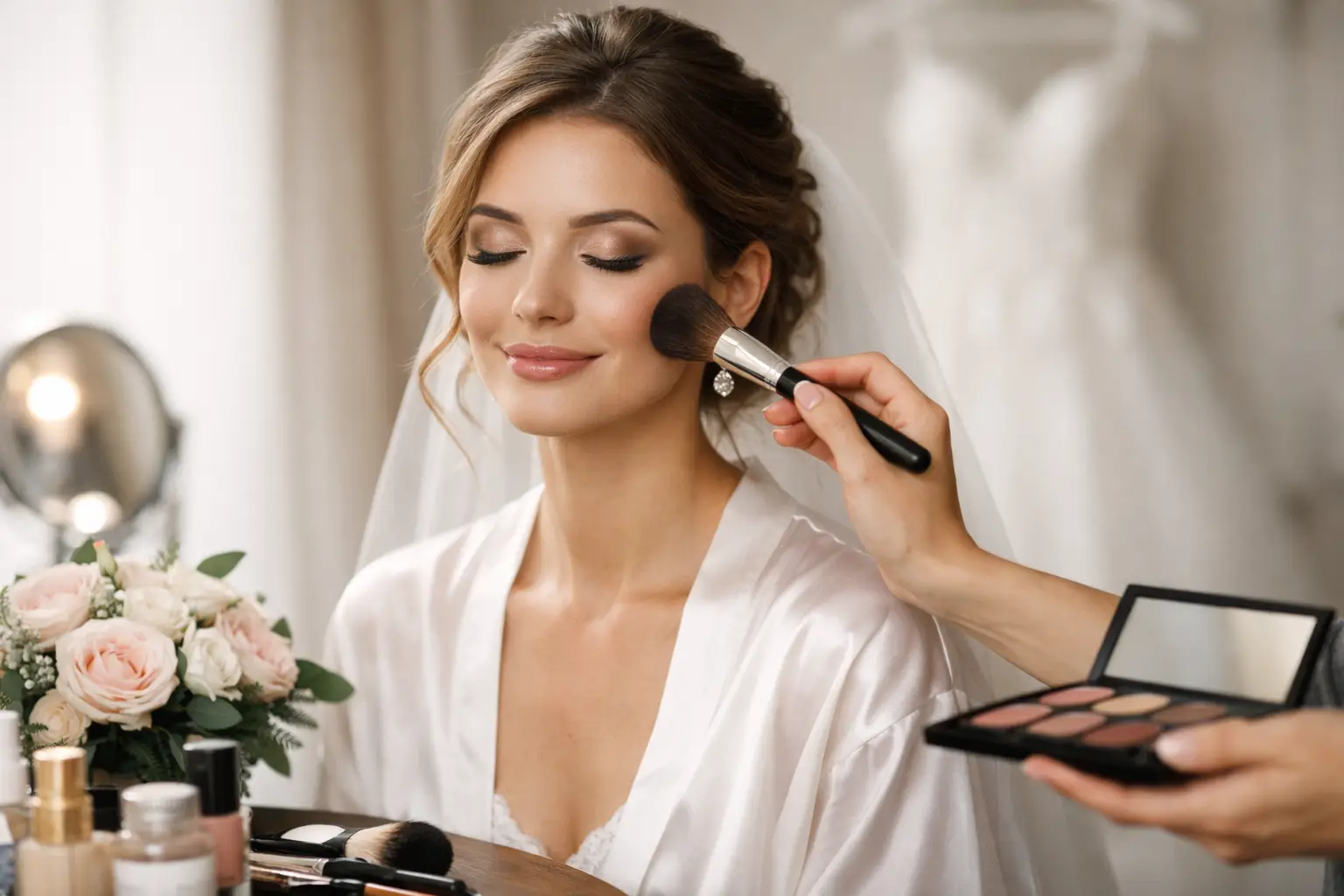
The most luminous bridal makeup begins long before the first brush touches skin. Knowing how to prepare for bridal makeup means treating beauty as part of the larger design of the day: your complexion, gown, ceremony light, cultural traditions, photography, and the pace of the celebration all inform the finished look. The goal is not to look unlike yourself. It is to look exceptionally composed in every frame, from the first look to the final dance.
How to Prepare for Bridal Makeup With Intention
Start with the feeling you want your wedding beauty to hold. A modern, sculpted look; soft romantic radiance; a jewel-toned South Asian bridal statement; or a polished, barely-there finish all require different choices in skin preparation, color, and timing. Gather images for their mood rather than attempting to recreate each face exactly. Notice whether you are drawn to luminous skin, a clean eyeliner shape, a stronger lip, brushed brows, or a certain balance between hair, jewelry, and makeup.
Your gown and accessories deserve equal consideration. A couture silhouette, a traditional lehenga, an embellished sari, or a sleek evening dress creates its own visual language. Makeup should complement the scale and finish of those details. If your jewelry is ornate or your outfit carries rich color, a refined complexion and deliberate eye can create balance. If the gown is minimal, a statement lip or sculpted eye may be the element that brings the full look into focus.
It also helps to think beyond the ceremony. Makeup is viewed differently in daylight, candlelight, ballroom lighting, flash photography, and video. A face that looks beautiful at close range must also retain dimension on camera. That is why a professional bridal application may use more intentional complexion structure than an everyday look, while still appearing fresh and believable.
Begin Skin Preparation Early, Not Aggressively
Great makeup sits best on skin that is calm, hydrated, and familiar with its routine. In the months before the wedding, focus on consistency rather than dramatic experimentation. A dermatologist or licensed esthetician can help build a plan around concerns such as hyperpigmentation, acne, texture, dryness, or sensitivity. This is especially valuable for brides who wear makeup regularly for events but want a smoother, more even bridal canvas.
Avoid introducing strong actives, peels, lasers, or unfamiliar treatments too close to the wedding. There is no universal cutoff because recovery varies by treatment and skin type, but the final weeks are not the time to test a product that could cause irritation or unexpected breakouts. If you are considering a more intensive treatment, plan it with your provider well in advance and leave space for your skin to settle.
The week of the wedding, keep your routine simple. Cleanse gently, moisturize consistently, wear sunscreen during the day, and prioritize sleep where possible. Hydrated skin tends to reflect light more beautifully, but overloading the face with oils or rich new masks can make makeup less stable. Your artist can adjust prep for your skin on the day. Your role is to arrive with skin that is rested, clean, and not inflamed by last-minute decisions.
Schedule a Trial That Answers Real Questions
A bridal makeup trial is not merely a preview. It is the design appointment where the look is tested against your features, your preferences, and the visual demands of the wedding. Schedule it after your gown direction is established and, ideally, once you have selected major accessories. Bring clear reference images, but also share what you do not want. “No heavy contour,” “I still want to recognize myself,” or “I need my eyes to feel defined behind my glasses” are useful creative boundaries.
Be candid about your normal makeup habits. If you almost never wear foundation, a full-coverage matte finish may feel unfamiliar even if it photographs well. Conversely, if you love a dramatic lash and a precise liner, your wedding day is not necessarily the moment to become minimal. The strongest bridal look is one that feels elevated yet emotionally recognizable.
For multicultural and South Asian celebrations, discuss each event individually. A mehndi, sangeet, haldi, civil ceremony, nikkah, church ceremony, or reception may call for a distinct shift in color, intensity, hair, and durability. Dupatta placement, tikka or matha patti positioning, veil weight, and outfit changes affect both the makeup design and the morning schedule. An artist experienced in these details can plan for beauty that respects tradition while feeling current and editorial.
After the trial, wear the makeup for several hours if your schedule allows. Step outside, take photos in natural light, and notice how your complexion wears around the nose, mouth, and under-eyes. A trial should reveal practical adjustments, not create pressure to decide that every detail is permanent. A slightly softer brow, a different lip tone, or a more luminous foundation finish can be refined before the wedding.
Build the Wedding Morning Around the Beauty Schedule
The most polished wedding mornings are calm because they are structured. Your beauty team needs a clear timeline that works backward from the moment you must be fully dressed, photographed, and ready to leave. This includes time for hair, makeup, touch-ups, getting into the gown, jewelry, detail photographs, and any first-look or family portraits.
If you have a larger bridal party, do not assume everyone can be completed in the same window. The number of artists, the complexity of each service, extensions, lashes, and hair changes all influence the timeline. The bride is often scheduled before the final person in the chair so her makeup remains fresh for portraits, but timing can be adjusted if the photographer has a specific first-look plan or if cultural dressing requires a longer preparation period.
Choose a getting-ready space with generous natural light, clean surfaces, accessible outlets, and enough room for artists to work without navigating luggage, food trays, and garment bags. A quiet corner for the bride can make a remarkable difference. The morning is a private transition before a public celebration, and the beauty experience should support that feeling.
The Night Before and Morning Of
The night before, remove makeup thoroughly, complete only the skincare steps your skin already knows, and avoid excessive alcohol or very salty foods if puffiness is a concern. Steam rooms, intense workouts, facial waxing, and last-minute spray tans can create unnecessary variables. If you plan to tan, schedule it early enough to ensure the color has developed evenly and will not transfer to your gown.
On the wedding morning, arrive with a clean face unless your artist has given specific instructions otherwise. Do not apply heavy moisturizer, facial oil, sunscreen, or eye patches immediately before makeup without checking first. Some formulas can affect adhesion and wear. Wear a button-front shirt, robe, or other garment that will not need to pass over your finished hair and face.
Have your usual lip balm available, but avoid reapplying it moments before lip color unless asked. If you wear contact lenses, put them in before makeup begins. If you have allergies, sensitive eyes, or a known product sensitivity, tell your artist in advance rather than on the morning itself. Small details protect the flow of the day.
Plan for Wear, Emotion, and Photographs
Bridal makeup should be prepared for real life, not only the mirror. Tears, hugs, warm dance floors, long ceremonies, and changing weather are part of the experience. A thoughtful application creates longevity, but a touch-up plan gives you confidence. Keep a small kit with your lip color, blotting papers, tissues, and perhaps a compact powder selected for your skin type. Ask a trusted friend, planner, or member of the bridal party to hold it so you are not managing details in your gown.
Waterproof formulas can be invaluable, particularly for emotional ceremonies, but they are not a reason to sacrifice comfort. The right balance depends on your skin, climate, and preferred finish. A destination wedding in Florida humidity may require a different complexion strategy than a winter celebration in New York, just as an outdoor midday ceremony calls for different choices than a candlelit reception.
At BridalGal, the bridal process is approached as image-making with a deeply personal point of view: beauty that moves effortlessly between intimate moments, professional photography, video, and celebration. The most memorable result is never simply a trend. It is a look with enough intention to feel timeless, and enough individuality to feel entirely your own.
When the day arrives, let preparation do its work. Sit down, breathe, and allow the artistry to become part of the occasion rather than another decision to manage. A beautifully prepared face gives you more than a flawless photograph. It gives you the freedom to be fully present in the moment you have been waiting for.