


How Long Does Bridal Makeup Last on Your Wedding Day?
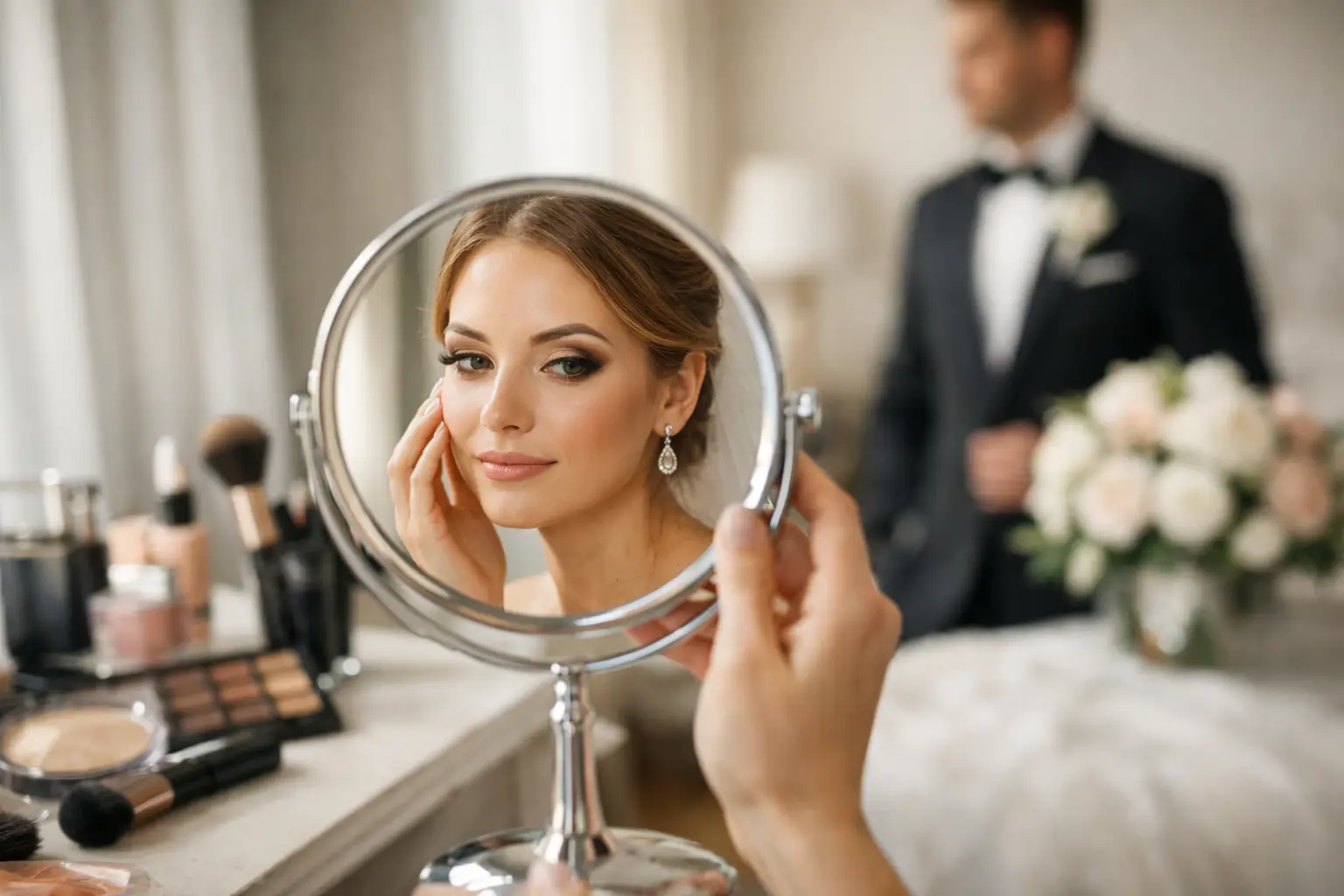
The first look happens long before the ceremony. There is the quiet of getting ready, the portraits, the walk down the aisle, embraces, dinner, dancing, and often a second outfit or reception entrance. So, how long does bridal makeup last? With thoughtful skin preparation, professional application, and a well-planned touch-up strategy, a bridal look can remain polished for 12 to 16 hours.
That does not mean every area of the face wears identically. A luminous complexion may soften slightly, lipstick will need attention after meals, and tears or high summer humidity can change the equation. The goal is not a frozen, overly matte face. It is makeup that continues to look like exquisite skin and holds its presence beautifully in person, in photography, and on video.
How Long Does Bridal Makeup Last in Real Conditions?
For most weddings, professionally applied bridal makeup is designed to carry a bride from early-morning preparation through the final dance. Complexion makeup, brows, contour, blush, and eye makeup should generally stay intact for the full celebration when the skin is properly prepped and products are layered with intention. Lip color is the exception. Even the most refined long-wear formula will naturally fade through kissing, drinking, eating, and speaking.
A realistic expectation is a fresh, camera-ready look for the ceremony and formal portraits, followed by light maintenance at key moments. Rather than treating touch-ups as evidence that makeup has failed, consider them part of the luxury of a long wedding day. A pressed powder through the center of the face and a refreshed lip can restore the finish in less than two minutes.
The timing of your wedding matters. A noon garden ceremony in Florida asks more of the makeup than a winter evening celebration in Manhattan. Destination celebrations can add salt air, heat, wind, travel fatigue, and unfamiliar lighting. South Asian weddings may also include multiple events, ceremonial embraces, dancing, and wardrobe changes over many hours. In these settings, artistry is not simply about choosing products labeled long-wear. It is about building a look that respects the pace, customs, climate, and visual language of the day.
The Difference Between Long-Wearing and Heavy Makeup
There is a common assumption that makeup must feel dense to last. For bridal beauty, that is rarely the most flattering approach. A heavy base can photograph beautifully at first, then settle into expression lines, separate around the nose, or become less convincing as the hours pass.
Enduring makeup is usually created in fine, deliberate layers. Skin care is selected for the bride’s skin type rather than applied indiscriminately. Primer is used where it has a purpose. Complexion products are pressed into the skin, then set selectively so that the face retains dimension. Cream and powder textures may be combined for structure without excess weight. This is especially significant for flash photography and high-definition video, where skin should look perfected but still alive.
A couture-inspired bridal look can be luminous and still wear well. The distinction is control. Glow belongs on the high points of the face, while areas prone to shine are balanced with strategic setting. Likewise, a soft romantic eye can be secured with long-wear cream shadows, layered powder, and a liner formula that will not migrate as the day becomes emotional.
What Can Shorten the Wear of Bridal Makeup?
Skin type plays a role, but it is only one part of the story. Oily skin can break through makeup more quickly, while very dry or dehydrated skin may absorb complexion products and show texture. Both concerns can be managed with the right preparation. What creates problems is often a mismatch between skin care, product texture, and climate.
Tears are another factor, particularly around the inner corners of the eyes and along the lower lash line. Waterproof mascara and carefully placed setting products help, but the technique matters just as much. Instead of wiping tears across the face, gently press with a clean tissue at the corner of the eye. This protects the makeup from unnecessary friction.
Heat and humidity introduce shine, while cold weather can bring dryness and sensitivity. A bridal trial is valuable because it allows an artist to see how the desired finish behaves on your skin and to refine it before the wedding. If the event includes a ceremony outdoors, a long drive between locations, or extended portrait time in direct sunlight, those details should guide the plan.
A few pre-wedding habits also have an outsized effect. New skin treatments, harsh exfoliation, and last-minute product experiments can leave skin reactive or uneven. The days before the wedding are not the moment to test a trending acid, facial oil, or facial treatment for the first time. Calm, hydrated, familiar skin is the strongest starting point for long-lasting makeup.
Your Touch-Up Kit Should Be Edited, Not Overstuffed
Brides do not need a full makeup bag at the reception. A small, edited kit is more useful and easier to hand to a trusted friend, planner, or attendant. Include the exact lip color used for the day, a coordinating liner if applicable, blotting papers, a small pressed powder, and tissues.
Blot before adding powder. Pressing away excess oil first keeps the complexion elegant and prevents the layered look that can happen when powder is repeatedly applied over shine. After dinner, reapply lip color with a clean, precise edge. If your look includes a gloss, keep it for later in the evening, when the formal portraits are complete and you want a more relaxed, luminous finish.
For brides wearing a bold red, berry, or richly pigmented traditional lip, the lip touch-up becomes even more important. A deeper shade has exceptional impact in photographs, but it benefits from a deliberate reapplication after a meal. Ask your artist whether a stain, lipstick, or layered combination best suits your color choice and schedule.
When On-Location Touch-Ups Are Worth It
For a single-location wedding with a standard timeline, an expertly prepared touch-up kit is usually enough. For celebrations with a substantial gap between ceremony and reception, multiple cultural looks, extensive outdoor portraits, or a highly produced editorial-style visual plan, having an artist remain on site can be a meaningful choice.
This is particularly valuable for brides changing from a ceremony look to a reception look. A makeup refresh can deepen the eye, restore the complexion after photographs, elevate the lip, or shift the mood from soft daytime romance to evening glamour without starting over. It also gives the bridal party a composed point person if weather, tears, or timing become unpredictable.
BridalGal approaches longevity as part of the full visual composition. The makeup must honor the bride at close range while performing under flash, movement, video, and the changing light of a celebration. That requires an understanding of not only products, but fabric, jewelry, ceremony traditions, and the rhythm of the day.
Make Longevity Part of the Beauty Conversation
When discussing your wedding makeup, share the details that determine wear: the ceremony time, venue conditions, travel between locations, cultural events, outfit changes, and the finish you love in photographs. Bring reference images, but also describe how you want to feel. There is a difference between wanting luminous skin and wanting visible shine by cocktail hour; between a soft nude lip and a lip color that can withstand a multicourse dinner.
The most enduring bridal makeup is not necessarily the most matte, the most expensive, or the most heavily set. It is the look designed for your face, your climate, and your celebration. When the artistry is tailored to those realities, a quick lip refresh is all that stands between your first portrait and your final dance.