


What a Multicultural Makeup Artist Brings to Bridal Beauty
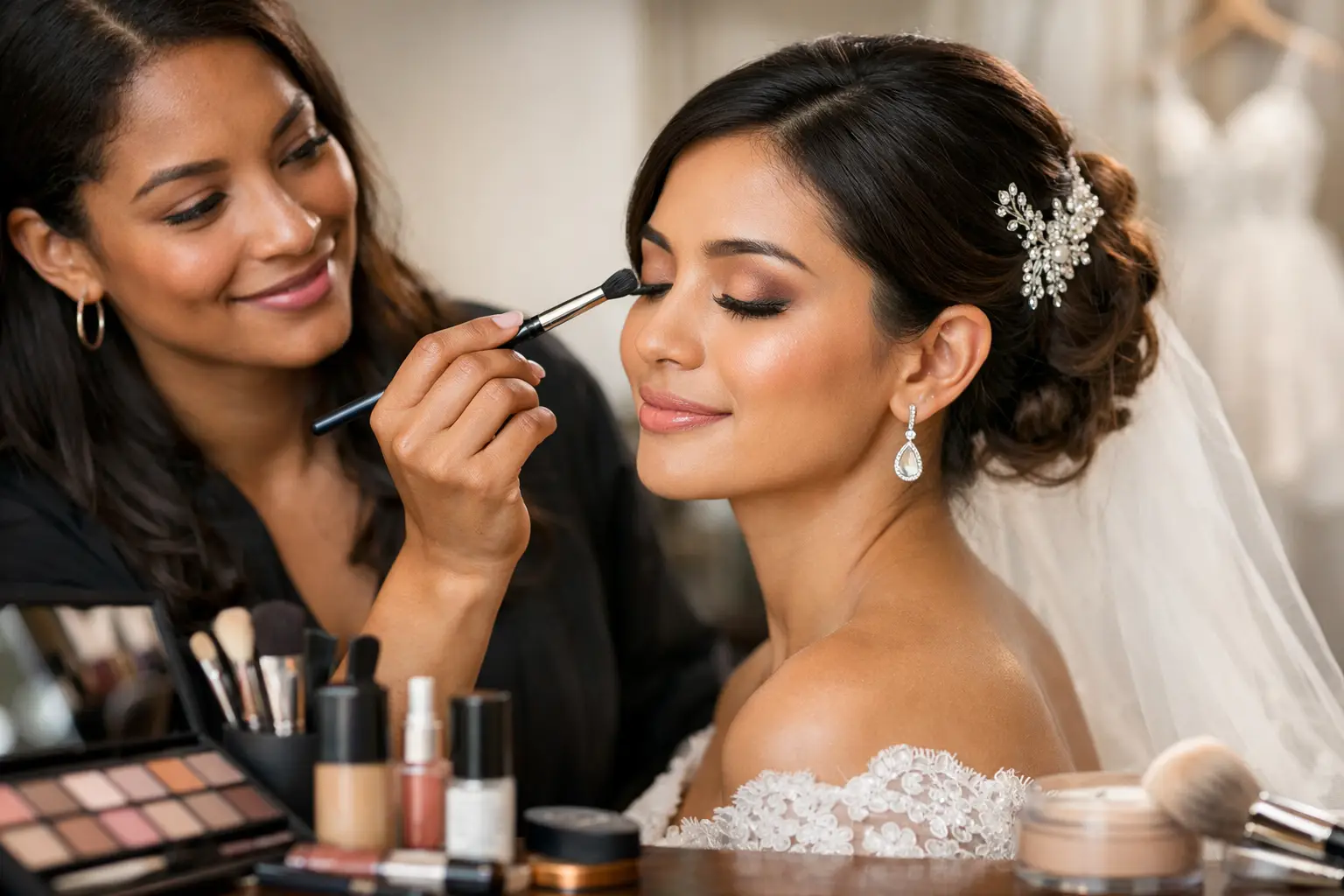
A bridal look can be technically beautiful and still miss its moment. The difference often lies in whether the artist understands the room: the family photographs, the ceremony rituals, the heirloom jewelry, the changing light, and the visual language a bride wants to carry into every frame. A multicultural makeup artist works with that full picture, creating beauty that feels personal, polished, and entirely at home in the celebration.
For a bride planning a South Asian, Black, Asian, Middle Eastern, Latin, interracial, or culturally layered wedding, this is not a niche detail. It is part of the standard. Makeup must honor complexion, features, tradition, wardrobe, and the practical demands of a long, highly photographed day without reducing any client to a category.
What a Multicultural Makeup Artist Actually Sees
Multicultural artistry begins with observation, not assumption. Two brides with similar skin tones may have entirely different undertones, skin concerns, beauty references, and preferences for coverage. Two celebrations from the same cultural tradition may call for completely different expressions of bridal beauty. One bride may want a richly sculpted eye with a classic red lip; another may prefer luminous skin, softly defined lashes, and a contemporary neutral palette beneath elaborate bridal jewelry.
The artist’s work is to recognize the distinction. Foundation selection is not only about finding a close color match. It is about balancing undertone, oxidation, flashback, texture, and the way the skin will read beside a white gown, a jewel-toned lehenga, gold embroidery, or a sharply tailored reception look. A complexion that appears flawless in a studio mirror can turn flat under daylight or overly reflective on video if the finish has not been designed with intention.
This is especially meaningful in bridal work, where a bride may move from a quiet preparation suite to outdoor portraits, a ceremony under warm lighting, and a reception floor lit for photography and film. The makeup needs dimension, but not heaviness. It should have presence at a distance while still looking refined in close portraits.
Cultural fluency also extends beyond makeup itself. A bridal artist should understand how a maang tikka, matha patti, dupatta, veil, floral adornment, or statement earring changes the architecture of the face and hairstyle. These details influence placement, balance, and the amount of visual intensity a look can hold. Beauty is not separate from the wardrobe. It is part of the composition.
Complexion Expertise Is More Than Shade Range
A broad kit matters, but it is only the starting point. True complexion expertise comes from understanding how products behave across skin tones and skin types. Some foundations can shift warmer over time. Certain powders can leave an ashy cast in flash photography. An illuminating product may create a beautiful editorial glow on one complexion and a metallic, textured effect on another.
The right approach is tailored. It may involve strategic color correction beneath the complexion rather than excessive concealer on top. It may call for cream formulas to preserve radiance, controlled powder placement for longevity, or a custom blend that brings the neck, chest, and face into harmony without erasing the skin’s natural character.
This is where restraint becomes luxurious. A flawless finish should not look like a mask. Skin can remain skin: dimensional, alive, and polished enough to carry through hours of celebration. For clients who want a more glamorous transformation, the artistry still depends on precision. Full coverage and contour can be elegant when the transitions are invisible and the color story remains considered.
Tradition and Modernity Can Share the Same Mirror
The most memorable multicultural bridal looks are rarely built from a formula. They hold reverence for tradition while making room for the bride’s individual point of view.
For a South Asian wedding, a bride may wear multiple looks across the weekend, from a lighter mehndi style to a formal ceremony transformation and a fashion-forward reception finish. Each look should relate to the garments and events without feeling repetitive. A warm bronze eye may suit one outfit beautifully, while a rose, plum, emerald, or jewel-toned detail may better complement another. The goal is continuity, not duplication.
For an interracial couple or a wedding that brings several family traditions together, the beauty direction can be equally layered. A bride may want the structure of a classic American bridal look with the richness and formality of her heritage. She may want to wear a red lip for a reception entrance, honor a family jewelry tradition, or choose hair that celebrates her natural texture rather than working against it. There is no single correct interpretation. There is only the version that feels authentic to her.
A thoughtful artist asks the right questions early: Which moments carry ceremonial significance? Are there outfit changes? Will the bride wear a veil, headpiece, or ornate jewelry? Does she want to feel soft and romantic, sculpted and couture, or more editorial in her photographs? These conversations turn inspiration into a clear visual direction.
Camera-Ready Does Not Mean Overdone
Bridal makeup has to perform for the guest standing two feet away and the camera lens capturing a close-up. That balance is an art form.
Professional photography and video can soften facial definition, especially in bright natural light. At the same time, modern cameras reveal texture, poorly blended product, harsh lines, and makeup that is too matte or too reflective. The solution is not simply to add more. It is to build the look in intelligent layers.
Well-placed contour can restore structure without looking striped. Carefully chosen blush can bring vitality back to the face after foundation. A lifted eye shape, refined brow, and lashes suited to the bride’s eye anatomy can create impact without obscuring her expression. Lip color should hold its own in portraits while remaining flattering as the day progresses.
Hair belongs in the same conversation. Whether the direction is a sculpted chignon, Hollywood waves, a voluminous blowout, a sleek ponytail, or a textured style that honors natural curl patterns, it should support the overall silhouette. The hairstyle, makeup, gown, and jewelry need to feel as though they were designed in the same studio.
This production-minded perspective is valuable beyond weddings. Editorial shoots, commercial photography, and film sets each demand an understanding of lighting, continuity, color, and the specific way a final image will be seen. BridalGal brings this visual discipline to bridal beauty, where the celebration may be personal but the imagery will endure for decades.
Choosing a Multicultural Makeup Artist for Your Wedding
Portfolio matters, but it should be read with a discerning eye. Look beyond one beautiful close-up. Does the work show range across complexions, ages, features, and cultural aesthetics? Do the finishes appear believable in daylight as well as in formal portraits? Is there evidence of both soft bridal beauty and more dramatic couture glamour?
A consultation or trial is where the relationship becomes real. Bring images that show what you are drawn to, but also share what has not worked for you in the past. Perhaps foundation has photographed gray, eyeliner has transferred, curls have fallen, or previous artists have made your makeup feel unfamiliar. Specific feedback gives the artist the information needed to refine the direction.
The trial should account for your wedding wardrobe and jewelry whenever possible. A makeup look that feels ideal with a silk robe may need adjustment once a heavily embellished ceremony outfit and traditional adornments are in place. If you have more than one event, discuss the full schedule rather than treating each look in isolation. Timing, touch-up needs, and transitions between styles should be planned with the same care as the finished beauty.
It also helps to be candid about the level of transformation you want. “Natural” means something different to every bride. For one person, it is sheer complexion and a brushed brow. For another, it is a perfected full face that still feels like her when she smiles. A skilled artist can translate the feeling behind the reference images and advise where a small adjustment will make the look stronger on camera.
The Luxury Is in Being Understood
Exceptional bridal beauty does not announce itself through trends alone. It comes from being seen accurately: your complexion, your features, your heritage, your wardrobe, and your desired presence. A multicultural makeup artist brings technical command to that responsibility, along with the sensitivity to know when to preserve, when to enhance, and when to create something bolder.
As you build your wedding beauty team, choose an artist whose work makes you feel recognized before you ever sit in the chair. The right look will not compete with your traditions or your style. It will give them a more luminous place to be seen.