


Bridal Hairstylist Reviews That Reveal Real Craft
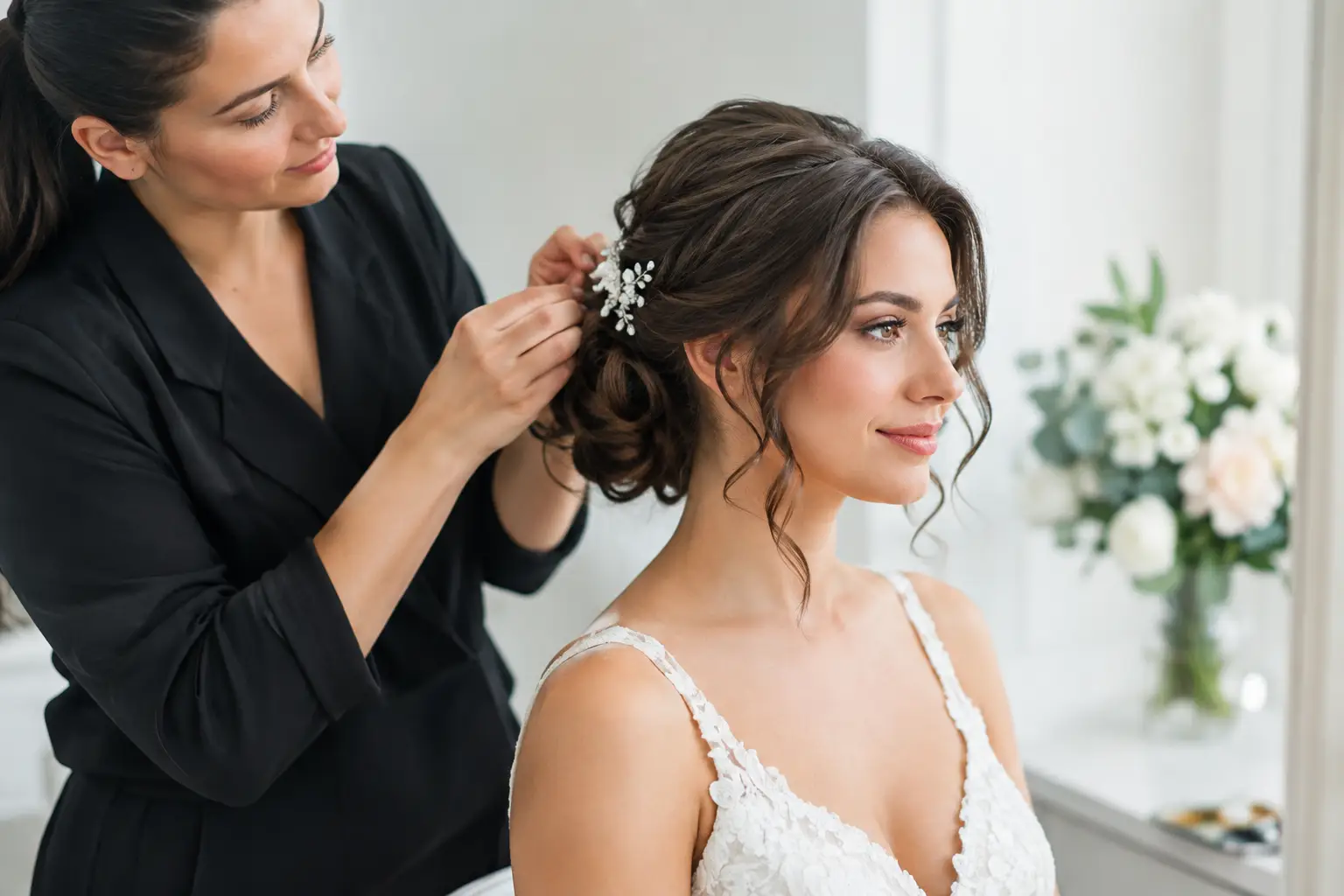
A bridal hairstyle may be photographed from every angle, worn through hours of ceremony and celebration, and remembered long after the final pin is removed. That is why bridal hairstylist reviews deserve more than a quick scan for words like “beautiful” or “sweet.” The most revealing feedback describes how an artist worked: their preparation, composure, understanding of hair texture, and ability to create a look that remained polished in person, in photographs, and on film.
For a bride planning a New York celebration, a Florida weekend, or a destination wedding with multiple cultural moments, reviews can offer a rare view behind the finished image. Read closely, and they reveal whether the artist brings the technical range and thoughtful presence a high-stakes wedding day requires.
What Bridal Hairstylist Reviews Should Really Tell You
A five-star rating is reassuring, but it is only the opening note. The more useful bridal hairstylist reviews give context. They tell you what the bride requested, what challenges were involved, and how the hairstyle performed. A review from a client with fine hair who says her low chignon held through an outdoor ceremony carries different meaning than a general compliment about a lovely experience.
Look for specificity around the finished style. Did the artist create soft, touchable movement without losing structure? Did an intricate updo retain its silhouette through dancing? Did a sleek style remain refined under humidity and flash photography? Premium bridal hair is not simply about a beautiful first impression. It is designed with longevity, proportion, movement, and the full visual setting in mind.
The strongest reviews also mention consultation. An accomplished artist considers the gown’s neckline, veil placement, jewelry, ceremony setting, hair density, and the bride’s relationship with her own features. A look that feels effortless often involves highly deliberate decisions.
Read Beyond the Phrase “It Lasted All Night”
Longevity matters, but it should not come at the expense of comfort or natural finish. A review that says a style lasted all night is helpful. One that explains it lasted without feeling stiff, heavy, or overly sprayed is far more revealing.
This distinction is especially relevant for editorially inspired bridal hair. A brushed wave, sculpted ponytail, or romantic textured bun must hold its line while still looking alive. On camera, overly rigid hair can appear dated. In person, it can feel unlike the bride herself. The artistry lies in balancing control with softness.
When clients describe receiving compliments hours later, or being able to move freely without worrying about their veil or accessories, they are often speaking to that balance. These details suggest sound technique rather than a style held together by excess product.
Look for Cultural Fluency, Not Just Versatility
Multicultural weddings ask more of a hairstylist than a broad portfolio can always show. South Asian bridal styling, for example, may involve dupatta placement, jewelry, floral adornment, multiple wardrobe changes, and hair that must support substantial accessories while retaining a couture finish. Other celebrations may include a tea ceremony, a church service, a traditional reception, or several distinct beauty looks across one day.
Reviews are particularly valuable here because they can show whether an artist understood the rhythm and significance of each moment. Notice comments about careful draping, secure accessory placement, respect for tradition, or a smooth transition between ceremony and reception looks. These are not minor logistical details. They are signs of an artist who can work with cultural intention rather than treating heritage elements as an afterthought.
Texture knowledge is equally essential. A stylist should be comfortable working with naturally curly, coily, straight, fine, dense, or chemically treated hair, and should know when extensions, padding, smoothing, or prep are appropriate. The goal is never to force every client into one signature look. It is to create an elevated result that honors the hair in front of them.
A thoughtful review may mention that a bride felt seen, understood, or confident wearing a style that felt modern while remaining true to her traditions. For multicultural bridal beauty, that kind of language carries real weight.
Notice How the Artist Handles the Room
Wedding-day hair is a live production. Timelines shift, relatives arrive early, photographers need access, and weather occasionally ignores every plan. Reviews that praise an artist’s calm are not merely commenting on personality. They are describing a professional skill.
An experienced hairstylist knows how to maintain pace without making the room feel rushed. They communicate clearly, set up efficiently, and understand when to offer direction and when to let a bride breathe. This is particularly valuable during larger bridal parties or multi-look celebrations, where timing affects every other creative partner.
Pay attention to reviews mentioning punctuality, organization, and an artist’s ability to adapt. A glowing portfolio proves visual taste. Consistent client feedback about preparedness proves reliability. Both are necessary for a luxury experience.
There is also a difference between an artist who is pleasant and one who is perceptive. The latter notices when a veil needs a more secure anchor, when the front pieces should be adjusted for photographs, or when a style needs refinement after a change in weather. These subtle acts of care often appear in reviews as gratitude for someone who “thought of everything.”
Compare Reviews With the Portfolio
Reviews should confirm what the portfolio suggests, not replace it. If you are drawn to luminous, fashion-informed styles, look for client feedback that speaks to polished finish, camera-ready detail, and styles that felt elevated rather than overdone. If your vision is soft and romantic, seek evidence that the artist can create movement without sacrificing durability.
Consider whether the reviewed work resembles your own event. A client may have loved a glamorous Hollywood wave, but that does not automatically mean the artist is the right fit for a heavily adorned South Asian bridal updo or a minimalist couture bun. The best match is found at the intersection of aesthetic taste, technical range, and relevant experience.
It also helps to look for patterns across reviews rather than focusing on one emotional account. Repeated mentions of refined work, attentive listening, lasting styles, and an easy morning are meaningful. A single review can be subjective. A consistent body of feedback becomes a portrait of the artist’s practice.
Questions Reviews Cannot Answer Alone
Even exceptional reviews have limits. They cannot tell you whether a stylist’s availability aligns with your date, whether their service structure suits your party size, or whether the artist understands the exact construction of your accessories. They also cannot replace a direct conversation about your inspiration, hair history, and expectations.
Use reviews to narrow your shortlist, then approach your consultation with specificity. Share images, but explain what you respond to in them. Is it the clean center part, the volume at the crown, the softness around the face, or the placement of the braid? Mention your venue, climate, ceremony traditions, and any planned outfit changes. A skilled artist can translate those details into a look that feels considered rather than copied.
For brides who want a beauty experience shaped by multicultural expertise and couture sensibility, BridalGal approaches hair as part of the entire visual composition: the face, the gown, the jewelry, the light, and the story of the day.
The right review should leave you with more than confidence that your hair will look beautiful at the altar. It should suggest that you will feel composed, recognized, and fully yourself while wearing it.