


Luxury Bridal Hairstyling for Every Frame
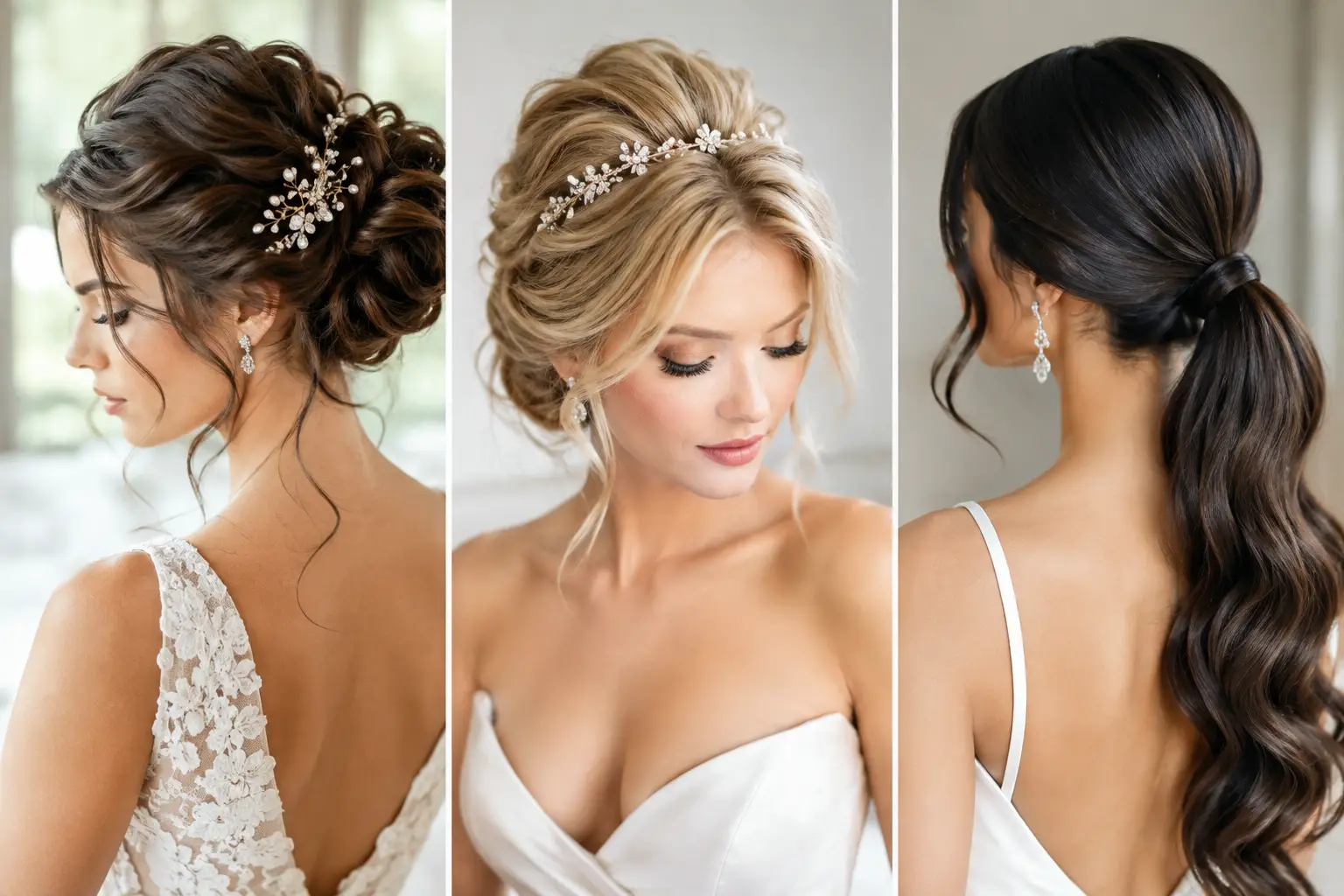
A bridal hairstyle is seen from more angles than almost any other beauty decision. It appears in the quiet, close-up moment before the ceremony, in the movement of a first dance, beneath a veil, beside family, and in photographs kept for decades. Luxury bridal hairstyling is designed with that full visual life in mind: not simply a beautiful style at the mirror, but a composed, personal look that retains its character in every frame.
For the modern bride, polished hair is not about making every strand immovable. It is about precision, proportion, touchability, and a finish that feels aligned with the occasion. The result should look considered from the aisle to the after-party, while remaining unmistakably her own.
What Defines Luxury Bridal Hairstyling
Luxury begins with interpretation. A hairstyle should respond to the bride’s gown, jewelry, venue, ceremony traditions, face shape, hair texture, and the atmosphere of the day. A sculpted chignon may bring clean architectural balance to a couture gown. A soft Hollywood wave can create a glamorous, cinematic counterpoint to minimalist silk. A textured low bun may provide the ideal foundation for a dupatta, veil, or heirloom hair adornment.
The distinction is in the details that are often invisible in a finished photograph. The sectioning beneath the surface, the placement of volume, the direction of the hairline, and the structure supporting the style all determine whether hair feels graceful or overworked. A refined bridal look is never one-size-fits-all. It is developed to flatter in person while reading with clarity under professional camera, flash, and video lighting.
This is particularly meaningful for celebrations with multiple visual settings. A New York City ceremony may move from a bright suite to a candlelit ballroom. A Florida wedding may involve humidity, wind, and outdoor portraits. A destination celebration can require hair to transition across several events, climates, and cultural rituals. Beauty planning must account for all of it.
The Couture Balance of Softness and Structure
The most memorable bridal hair has a certain tension: it looks effortless, yet it is thoughtfully engineered. Softness brings romance and movement. Structure gives the style its longevity.
An artist considers where hair needs to bend, where it needs support, and where a style can be allowed to relax naturally. That balance is essential. An updo that is secured too tightly can lose its sense of ease. Waves that are left entirely unsupported may fall before portraits are complete. Neither approach honors the bride or the photography.
The goal is movement with intention. A few face-framing pieces may be deliberately placed to soften the profile. A low bun can be tailored so it feels modern rather than severe. Volume at the crown may be adjusted by only a small amount, yet dramatically improve the line of the hairstyle in side-profile images. Luxury is often felt in these measured decisions.
Hair preparation plays a central role. Clean, well-considered prep creates the foundation for polish, whether the desired finish is smooth and glossy, airy and textured, or richly dimensional. The right approach depends on the natural density, porosity, curl pattern, extension plan, and desired level of hold. There is no universal formula, especially when a bride wants a style that appears effortless but must perform for ten or more hours.
A Hairstyle That Honors Culture and Personal Style
Multicultural bridal beauty calls for more than familiarity with a reference image. It requires an understanding of how hair carries tradition, symbolism, and personal identity.
For South Asian brides, hairstyling may need to accommodate a dupatta, tikka, passa, floral adornment, or layered jewelry while preserving a polished silhouette. The placement of each piece matters. It affects not only comfort and security, but also symmetry in photographs and the way the full bridal look is experienced during ceremonial moments. A contemporary reception style may call for a different energy than a traditional ceremony look, creating an opportunity for an intentional transformation rather than a simple change of accessories.
For brides wearing natural texture, protective styling, or a style informed by their heritage, luxury service means respecting the hair’s integrity while creating a finish that feels elevated. It means understanding that “sleek” is not the only definition of formal, and that texture can be sculptural, romantic, striking, and entirely couture.
The strongest bridal artistry avoids flattening cultural details into a trend. Instead, it creates a look in which tradition and modernity feel naturally connected. The bride should recognize herself, feel celebrated in her chosen expression, and move through the day with confidence.
Why the Trial Is Part of the Artistry
A bridal hair trial is not simply an appointment to copy a saved image. It is the beginning of the design process. It provides the space to test silhouette, placement, accessories, veil weight, and how the style works with the gown’s neckline and overall beauty direction.
The most useful reference images communicate a feeling rather than a demand for exact replication. A bride may be drawn to the glossy finish in one image, the loose texture in another, and the low placement of a bun in a third. Those preferences help shape a style that belongs to her rather than to someone else’s hair type, dress, or lighting conditions.
Come to the trial with details that affect the final composition: photographs of the gown, veil, jewelry, ceremony attire, and any cultural accessories. If extensions are being considered, discuss them early. Extensions can add density, length, or visual consistency, but they should support the design rather than become the design. Their color, quality, placement, and blend have a direct effect on the final result.
A thoughtful trial also reveals practical considerations. Can the bride comfortably wear the style for the planned schedule? Does the veil sit securely? Is the face-framing proportion right from both front and profile? Will a hairstyle transition well after a dupatta or veil removal? These answers create calm on the wedding day, when every beauty decision should feel already resolved.
Designing for Photography, Film, and Real Life
Bridal hair must live in two worlds: the immediacy of the celebration and the permanence of imagery. A style that looks exceptional in person can appear flat on camera if it lacks dimension. Conversely, a heavily styled look may photograph beautifully in one angle but feel too rigid during the event.
Production experience brings a valuable perspective to bridal styling. Camera placement, varied lighting, movement, and close-up detail all influence how hair should be finished. A style may need subtle depth so it does not disappear against a gown. Accessories should be positioned to catch light without overwhelming the hairstyle. Flyaways may be softened, but not erased to the point that the hair loses life.
This is where editorial sensibility serves the bride. The intention is not to make her look like a fashion image at the expense of comfort or authenticity. It is to give her the same level of visual consideration: a look that holds attention from every angle and remains compelling long after the event.
At BridalGal, that approach is informed by bridal, couture, and production-ready artistry. The final style is treated as part of a complete visual composition, with equal attention to the bride’s experience and the images that will tell the story of her day.
Choosing the Right Bridal Hair Direction
The most flattering choice is rarely determined by trend alone. Consider the gown first. An ornate neckline may call for hair that lifts away from the shoulders, while a clean strapless silhouette can support statement waves or a sculptural ponytail. Then consider the setting. A black-tie ballroom, oceanfront ceremony, garden estate, and destination celebration each invite a different degree of formality and movement.
Your schedule matters, too. If portraits are planned before an outdoor ceremony, hair must be ready for wind, warmth, and a veil before the formal entrance. If you are changing looks between ceremony and reception, the initial style should be planned with that transition in mind. A skilled artist can build a strong first look that evolves beautifully rather than requiring a full restart.
Most of all, choose a direction that feels like an elevated version of your own style. A wedding is not the ideal moment to wear hair that feels unfamiliar simply because it is fashionable. The right luxury bridal hairstyle should make you feel composed, photographed, and entirely at ease when the room turns toward you.