


Wedding Beauty Essentials That Last All Day
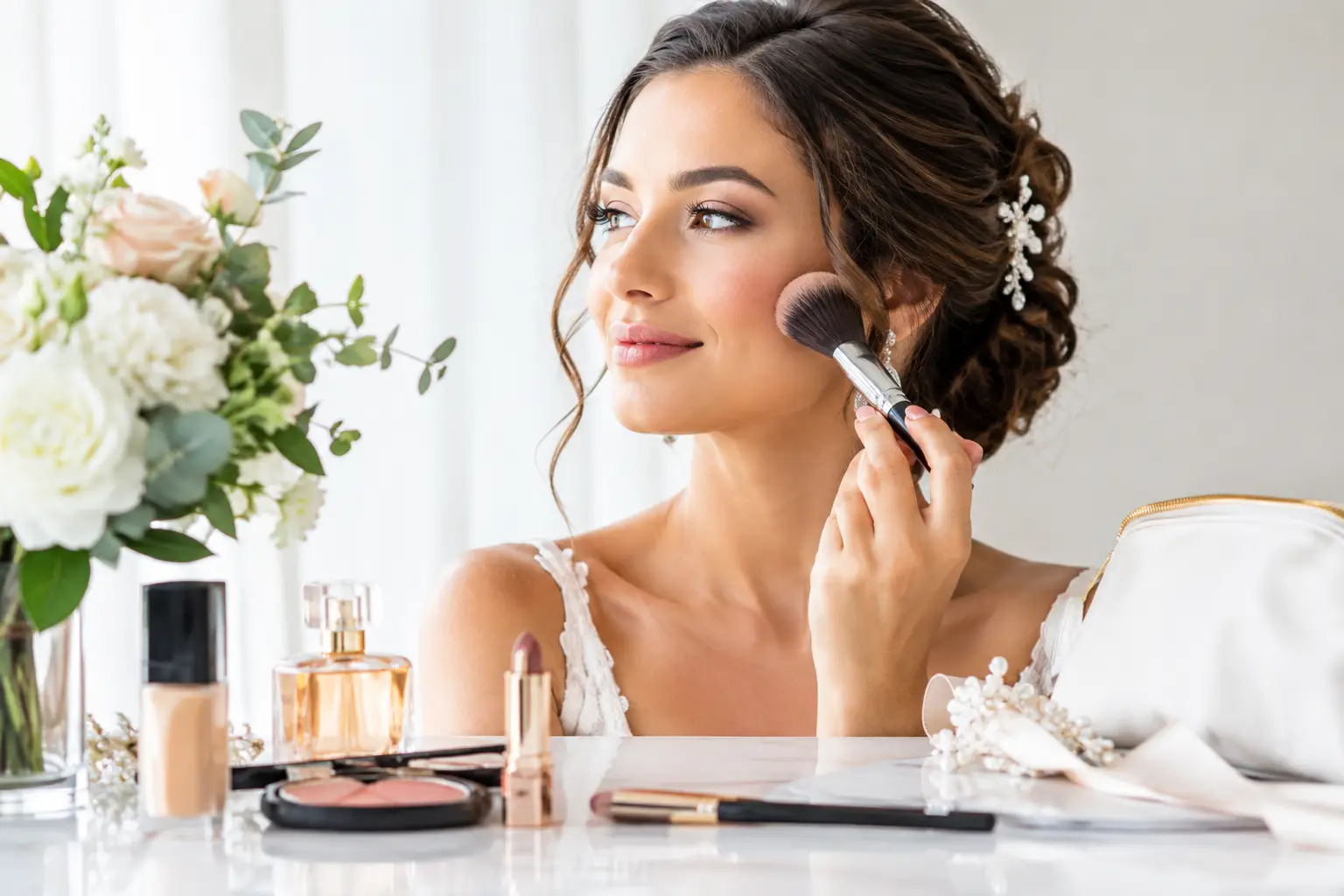
The first look happens quickly. One moment, the room is still; the next, there are photographers at the door, family members arriving, and a gown waiting to be worn. The most valuable wedding beauty essentials are not simply products that look beautiful in a mirror. They are the considered details that keep a bridal look luminous, composed, and unmistakably personal through close embraces, ceremony light, flash photography, video, and the final dance.
For a luxury wedding, beauty should feel intentional rather than overworked. The goal is not to create a different face or a hairstyle that cannot move. It is to refine the bride’s own features and translate her vision into a finish that holds its presence in every setting.
Wedding Beauty Essentials Begin Before Makeup
A flawless complexion is built long before foundation. Skin preparation determines whether makeup appears fresh and skin-like or begins to separate under heat, tears, and hours of wear. In the weeks before the wedding, keep the skincare routine consistent. This is not the moment to introduce aggressive treatments, unfamiliar acids, or a new prescription product without professional guidance.
The evening before should be calm and edited: gentle cleansing, appropriate hydration, and sleep wherever possible. On the wedding morning, the skin needs balance, not excess. Rich skincare may be perfect for a winter celebration or dry complexion, while a humid Florida ceremony may call for lighter layers and thoughtful shine control. A skilled artist reads the skin in real time rather than applying the same routine to every bride.
The same principle applies to body preparation. Exfoliated, moisturized shoulders, arms, and décolletage create a polished finish in strapless gowns, lehengas, saris, and couture silhouettes. Any self-tanner should be tested well ahead of the event, especially when the bridal look includes intricate jewelry, light-colored fabrics, or a high-definition photography schedule.
Makeup That Performs for the Camera and the Room
Bridal makeup must work at two distances. It should look exquisite in a close portrait while retaining enough structure to register from across a ceremony aisle. That balance is where artistry matters.
A modern bridal base favors strategic coverage. Concealer, complexion products, and finely layered setting techniques can perfect the complexion while preserving dimension. Heavy makeup can initially read as polished, yet it may settle into expression lines or look flat in flash. Conversely, an ultra-sheer base may be ideal for an intimate daytime celebration but require more targeted correction for a full-day event with film and photography.
Color selection should be guided by the entire visual story: gown tone, florals, jewelry, venue, lighting, and cultural tradition. A soft rose lip may complement an ivory silk gown and candlelit reception. A richer berry, classic red, or warm terracotta can offer greater definition against vibrant South Asian bridal textiles and gold jewelry. Neither approach is more bridal. The right choice is the one that belongs to the bride and photographs with intention.
The Details That Keep Makeup Refined
Eye makeup benefits from a wear-tested plan. Waterproof or long-wear formulas are useful, but comfort matters as much as longevity. A bride who rubs her eyes because lashes feel heavy or liner feels tight will compromise even the most durable application. Lashes should lift the eye without obscuring it, and the makeup should remain expressive enough for tears, laughter, and conversation.
Complexion glow also needs discernment. A controlled highlight placed on the high points of the face creates radiance in photographs. Too much luminosity across the center of the face can become unwanted shine, particularly under midday sun, dance-floor lighting, or video production lights. The distinction is subtle, but it changes how the skin reads on camera.
Keep lip color, a small powder compact or blotting papers, and any necessary adhesive or hair pins with a trusted attendant. A touch-up kit should support the look, not turn a bride into her own glam team between every photograph.
Hair Needs Structure, Not Stiffness
Wedding hair is often asked to do more than it appears. It must complement the neckline, veil, dupatta, headpiece, or floral placement; hold through movement and weather; and look dimensional in photographs. A beautiful style is not only about the final shape. It is about the internal structure that allows it to remain graceful for hours.
Hair texture, density, length, and the wedding environment all influence the design. Loose waves can be romantic and modern, but they need the right preparation and set to withstand humidity. A low chignon may feel effortless, yet it requires careful anchoring when paired with a dramatic veil or heavier accessories. Extensions can create fullness or length, though they should be color-matched, tested, and integrated at the trial so the finish never looks separate from the natural hair.
For South Asian and multicultural bridal beauty, hair planning often includes the architecture of adornment. Maang tikka placement, passa styling, gajra, veils, dupattas, and layered jewelry all affect where the part sits and how the style is secured. These elements should never be treated as an afterthought. The hairstyle should honor the tradition while giving the overall look a contemporary couture finish.
The Bridal Trial Is Where the Look Becomes Yours
A trial is not a casual preview. It is the creative appointment where references become a fully considered beauty direction. Bring images that communicate what you are drawn to, but also be ready to discuss what you do not want. Words such as natural, soft glam, and timeless can mean entirely different things from one person to another.
The most useful conversations include practical context: the ceremony time, venue conditions, dress neckline, accessories, photography style, and whether there will be a wardrobe change. A bridal look for a rooftop ceremony in Manhattan has different demands from a beachfront celebration, an evening ballroom reception, or a destination wedding that spans multiple events.
This is also the time to assess proportion. A look may be beautiful in a reference image but need adjustment for a bride’s eye shape, skin tone, hairline, or jewelry. The goal is not replication. It is a personalized result that feels elevated from every angle.
Build a Wedding-Day Beauty Timeline With Breathing Room
The most overlooked essential is time. Rushed beauty rarely looks relaxed, and a tightly packed schedule leaves no space for the small realities of a wedding morning. A thoughtful timeline allows for setup, skincare, hair preparation, makeup application, dressing, accessory placement, portraits, and a final check before departure.
Brides with elaborate garments or ceremonial accessories should reserve additional time after hair and makeup. Dupatta draping, veil placement, jewelry, and dress fastening can shift a hairstyle or alter the balance of the look. An artist’s final refinement should happen after these details are in place whenever possible.
For larger bridal parties, sequence matters. Mothers, sisters, and attendants may need to be finished early for photographs or to help the bride dress. The bride is often scheduled later in the morning so her makeup and hair are freshest for portraits, though this depends on the ceremony time and complexity of the styling.
Choose Essentials That Serve the Whole Celebration
The best wedding beauty essentials support more than a single reveal. They respect the bride’s features, the event’s cultural and visual language, and the practical demands of a long celebration. They also leave room for presence. When hair feels secure, makeup feels comfortable, and the look has been designed for real movement, a bride can stop checking the mirror and return to the people in front of her.
Choose an artist who sees beauty as part of the complete visual composition, then allow the preparation to do its quiet work. The finished look should feel polished in photographs, dynamic on film, and completely at home in the memory of the day.