


How Long Bridal Makeup Lasts on Your Wedding Day
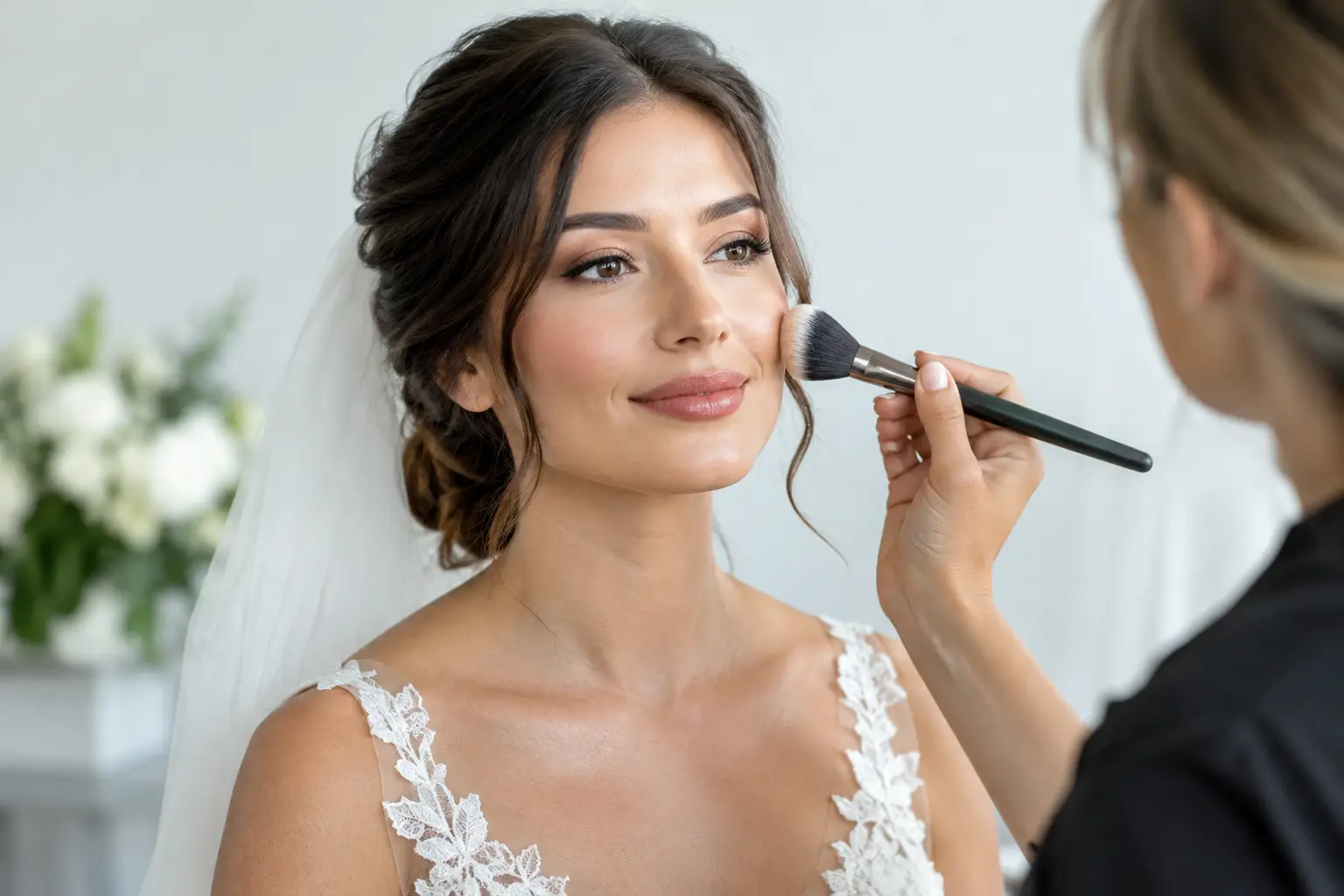
The first look begins long before the ceremony, and your makeup has to meet every moment that follows: the car ride, portraits in changing light, embraces from family, a full reception, and the last dance. So, how long bridal makeup lasts is less about a single number than the way a look is designed, applied, and maintained for your specific wedding day.
A professionally applied bridal look should remain polished for 12 to 16 hours, with thoughtful touch-ups along the way. That does not mean it will look exactly as it did at the end of the application. A luminous complexion may become more natural through the center of the face, lipstick will need refreshing after meals, and happy tears may require a discreet reset. The goal is not frozen perfection. It is beautiful, camera-ready wear that still looks like you from ceremony to celebration.
How Long Bridal Makeup Lasts Depends on the Finish
Longevity starts with the finish you choose. A soft matte complexion generally wears longer than a very dewy one because it controls surface shine and gives complexion products something stable to adhere to. Yet a matte finish does not need to look flat or overly powdered. With strategic cream color, refined highlight placement, and skin-tone-aware color correction, it can photograph with dimension and elegance.
A radiant look can also last beautifully, but it needs more restraint in its placement. Glow at the high points of the face creates a sophisticated light-catching effect. Excess emollient product through the T-zone, however, can break down foundation more quickly under humidity, heat, flash photography, or a crowded dance floor. The most enduring bridal makeup often balances soft radiance with controlled structure.
Skin type matters as much as aesthetics. Oily or combination skin may need targeted mattifying preparation and thinner layers through the forehead, nose, and chin. Dry skin benefits from hydration that is allowed time to settle before complexion makeup begins. Mature skin may call for flexible textures that move naturally rather than heavy powder that emphasizes texture. There is no universal bridal formula, which is why a trial is an artistic consultation, not simply a preview appointment.
What Makes Bridal Makeup Last All Day
The visible result begins with the skin beneath it. A skilled artist reads the complexion in front of them: where makeup tends to separate, where redness needs correction, where dehydration appears, and where natural facial movement may affect wear. Product choice follows that assessment.
Professional longevity is built in fine, intentional layers. Skin care is applied with purpose, not excess. Primer is selected for the complexion rather than used automatically. Foundation is pressed into the skin in controlled coverage, then set only where necessary. Cream blush, powder blush, and setting mist may be layered to preserve color without creating weight. Each element supports the next.
This approach is especially valuable for weddings with both daylight photography and evening celebration. What looks beautiful in a candlelit ballroom can read differently in direct sun or high-definition video. A bridal artist with editorial and production experience considers the look under multiple conditions: close-up portraits, movement, flash, ceremony lighting, and real-life proximity. The makeup should hold its structure while retaining a believable, refined skin finish.
Water-resistant formulas also play a significant role, particularly for liner, mascara, and long-wear lip products. They are useful, but they are not magic. Waterproof mascara can resist tears, yet rubbing the eyes will still disrupt the area. A long-wear lipstick can carry a bride through a ceremony and portraits, but oils in a meal will affect almost any formula. Professional application extends wear time; it does not eliminate the reality of a long, emotional celebration.
Weather, Venue, and Timing Change the Equation
A July ceremony in New York City, an oceanfront celebration in Florida, and a destination wedding in a dry climate ask different things of makeup. Humidity softens powders and can encourage shine. Wind, heat, and salt air can affect the complexion and lips. Cold weather may bring dryness, while indoor heating can do the same.
Your timeline matters, too. If makeup begins at 7:00 a.m. for a 5:00 p.m. ceremony, the look must be planned for a much longer day than the event schedule alone suggests. Early starts are common for large bridal parties, South Asian wedding celebrations, and occasions with multiple wardrobe changes. In those cases, an artist may adjust the prep, complexion layers, and setting techniques, or recommend a touch-up period before portraits or the ceremony.
For a multi-event wedding, beauty is often best treated as a series of considered looks rather than one application expected to carry everything. A fresh lip, adjusted complexion, or evolved eye can create a graceful transition from morning rituals to evening reception. This is particularly meaningful when bridal attire, jewelry, and cultural traditions shift throughout the day.
The Touch-Ups That Actually Matter
A well-prepared touch-up kit should be edited, not overfilled. Most brides need blotting papers, a pressed powder that matches their complexion, their chosen lip color, and a small lip liner. Blot first, then add powder only where shine remains. Applying powder directly over oil is one of the quickest ways to make makeup appear heavy in person and in photographs.
Lip maintenance deserves the most attention. Even the best lip color needs to be reapplied after eating, drinking, or kissing. A liner gives the shape a clean return, while a lipstick or gloss restores the finish. Ask your artist to identify the exact products and shades used so that your maid of honor, planner, or a trusted family member can keep them close.
If tears are likely, press a tissue gently beneath the eye rather than wiping across the face. That small movement protects concealer, liner, and lashes. For a matte complexion, a single tissue-blot at the nose and chin can be enough to revive the finish. For a radiant complexion, resist the urge to keep adding glow. The skin already has warmth, movement, and life by that point in the day.
Should You Book a Touch-Up Artist?
A touch-up artist is a meaningful luxury when the schedule is expansive or conditions are demanding. Consider one for destination celebrations, outdoor summer weddings, multiple ceremonies, high-fashion wardrobe changes, large cultural celebrations, or days with extensive photo and video coverage. It can also be invaluable when the bride wants to remain fully present rather than think about lipstick, shine, or a veil that has shifted during portraits.
For a more compact wedding day, a beautifully prepared kit and clear instructions may be all that is needed. The right choice depends on your timeline, venue, desired finish, and how much support you want around you. BridalGal approaches this planning with the same care given to the visual look itself, considering how the artistry will perform through the full rhythm of the event.
How to Help Your Makeup Wear Beautifully
The days before the wedding matter more than a last-minute product experiment. Keep your skin routine calm and familiar, avoid aggressive treatments unless planned well in advance, and arrive with clean, moisturized skin. If you wear contacts, insert them before makeup begins. If you are having a facial, waxing, threading, or tanning service, schedule it with enough space to allow your skin to settle.
At the trial, be candid about what has failed you in the past. Mention makeup that oxidizes, eyeliner that transfers, allergies, sensitivity, tears, heat, or an area you tend to touch. Bring inspiration, but also share the realities of your day: ceremony time, fabric colors, veil, jewelry, photo style, and whether you will change into a second look. These details allow your artist to create a finish with both visual impact and staying power.
The finest bridal makeup does not ask you to spend your wedding watching your reflection. It gives you the confidence to greet every camera, every loved one, and every unexpected moment knowing the look still belongs to you.