


How to Choose Bridal Foundation for Photos
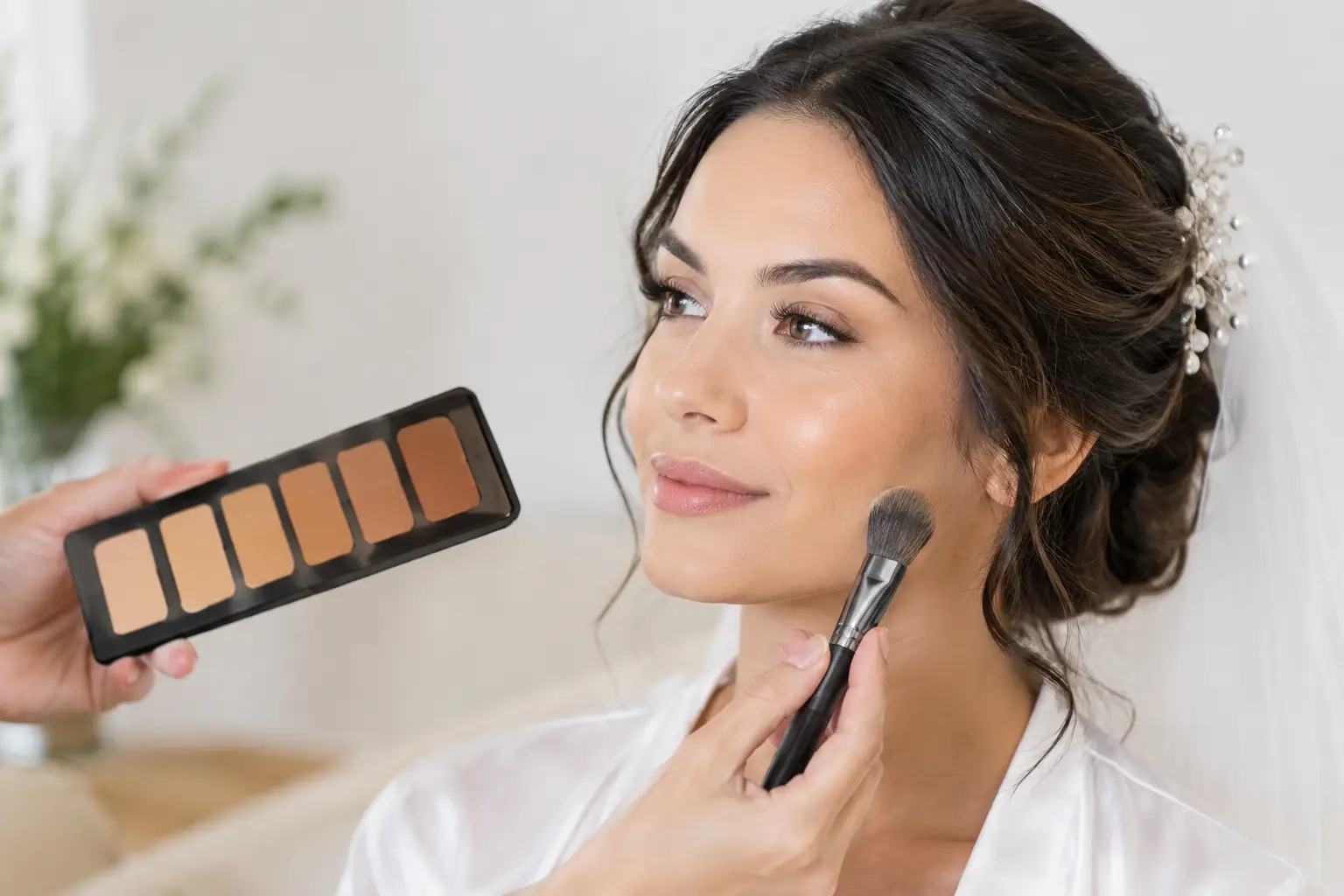
A bridal foundation should not announce itself. It should allow the bride’s skin, jewelry, gown, and expression to hold the room while remaining impeccable from first look through the final dance. Knowing how to choose bridal foundation means looking beyond a flattering counter match. The right formula must honor your complexion in person, survive a long celebration, and translate beautifully through professional photography and video.
For a New York ballroom wedding, a Florida waterfront ceremony, or a destination celebration layered with meaningful cultural traditions, the decision is never only about coverage. Light, climate, skin preparation, wardrobe, and the pace of the day all shape what foundation needs to do.
How to Choose Bridal Foundation With the Camera in Mind
The mirror is only one part of the bridal foundation decision. Wedding images record skin differently than the eye does, especially under flash, daylight, candlelight, and high-definition video. A foundation that appears luminous in a softly lit bedroom may reveal excess shine at a sunlit ceremony. A formula that feels perfectly matte at a makeup counter can make the complexion appear flat beside a satin gown or ornate bridal jewelry.
Start with the finish you want your skin to have in photographs. Most brides benefit from a skin-like satin finish: polished enough to refine tone and texture, but never so matte that it removes dimension. For naturally oily skin, this does not automatically mean choosing the driest long-wear formula available. A thoughtfully prepped complexion, strategic powder placement, and controlled setting products often create a more convincing result than a fully matte base.
For dry or mature skin, a radiant foundation may be exquisite, but it needs structure. Rich skin care underneath, layered too heavily, can shorten wear and cause makeup to move around expression lines. The goal is hydrated, cushioned skin with refined luminosity, not a glossy surface that competes with flash photography.
Photography also favors balance over extremes. Light-reflecting particles can be beautiful in editorial work, yet too much pearl or shine across the center of the face can create bright spots under flash. A skilled artist places radiance where it belongs – along the high points of the complexion – while keeping the forehead, nose, and chin elegant and controlled.
Match Shade, Undertone, and the Rest of the Body
A foundation shade should belong to the entire bridal look, not just the center of the face. Test it along the jawline and allow it to settle before judging the match. Then step into natural light. Foundations can oxidize as they dry, becoming warmer, deeper, or occasionally more orange after application. What looks exact in the first minute may not be the right shade after twenty.
Undertone deserves equal attention. Skin may read golden, olive, rosy, neutral, or a nuanced combination depending on the area of the face and body. Many complexions, particularly deeper and olive skin tones, are routinely matched too red, too yellow, or too ashy. Correcting this with bronzer after the fact rarely looks as refined as selecting or custom-mixing the right foundation from the beginning.
Consider the neck, décolletage, shoulders, hands, and any areas visible in your gown. A strapless dress, a low back, or a lehenga blouse creates a broader visual field, so face-to-body harmony becomes essential. This is not an argument for changing your natural skin color. It is about creating continuity so the face looks naturally connected to the woman wearing the gown.
For South Asian bridal beauty and other multicultural celebrations, this consideration is especially significant. Rich textiles, gold jewelry, henna, and ceremonial color create a vivid frame around the face. The foundation must retain the depth and tonal complexity of the skin rather than dulling it beneath an overly pale or gray cast. If the celebration includes multiple looks, test the foundation beside each wardrobe color. A shade that sings with ivory may read differently against crimson, emerald, saffron, or fuchsia.
Let Your Skin Type Direct the Formula
Coverage alone is not a formula category. Two medium-coverage foundations can perform very differently depending on skin type, preparation, and the weather. Rather than asking for the most durable option, ask what your complexion needs to look composed for ten to fourteen hours.
Oily or combination skin often needs lightweight layers that resist separation around the nose, chin, and forehead. A breathable, long-wear foundation with a natural or soft-matte finish can be a strong choice, provided it is not applied too heavily. Building coverage only where redness, discoloration, or blemishes need it will keep the finish more believable.
Dry skin generally benefits from flexible formulas that do not catch on texture. Skin preparation matters greatly here, but so does timing. Moisturizer and primer need a few minutes to settle before foundation is applied. If the layers remain wet beneath the base, they can dilute its grip and cause patchiness later in the day.
For acne-prone skin, prioritize products that wear comfortably without requiring constant touch-ups. A full-coverage mask can make active texture more visible once it begins to crease or fade. Often, a carefully matched medium-coverage foundation paired with targeted concealer provides the more polished bridal result.
Respect the Wedding Environment
A foundation that performs beautifully during a cool indoor winter wedding may not be appropriate for a humid summer ceremony. Think through the actual conditions, not the idealized version of the day. Will there be outdoor portraits at noon? A long drive between ceremony and reception? Tears during vows? A crowded dance floor? These details determine the architecture of the complexion.
Humidity calls for thin, secure layers and controlled shine rather than a heavy attempt to eliminate all moisture. In dry climates, a foundation with flexibility helps prevent tightness and visible flaking. For destination weddings, plan a trial close enough to the event season to reflect the likely weather, especially if your skin tone shifts with sun exposure.
Your schedule matters too. Foundation should be finished early enough to set before dressing, photographs, and hugs begin. Makeup transferred onto a white gown or collar is avoidable when the complexion is properly layered and set. Still, no base is indestructible. A realistic bridal touch-up plan should include blotting before adding powder, particularly around the center of the face, so the makeup remains fresh instead of increasingly heavy.
Treat the Trial as a Wear Test, Not a Preview
A bridal trial is where aesthetics meet evidence. Arrive with reference images, but also bring information: your gown color, ceremony timing, venue style, skincare routine, and any concerns about texture, sensitivity, or longevity. If you are wearing heirloom jewelry or choosing between a veil and statement earrings, photographs of those details can help shape the overall finish.
After the appointment, do not remove the makeup immediately. Wear it through a normal evening, observe it in daylight and interior lighting, and take a few photographs with and without flash. Notice where it changes first. Does it separate around the nose? Does it become too shiny at the temples? Does the shade still look connected to your neck after several hours? These observations are far more useful than a first impression under studio lighting.
Be honest about what you recognize as yourself. Bridal makeup can be elevated, sculpted, and couture-minded without becoming unfamiliar. If you usually prefer a sheer complexion, a dramatic full-coverage foundation may look striking in a close-up but feel disconnected from you throughout the celebration. Conversely, if you want a more perfected editorial finish, communicate that clearly so the artist can build the skin in fine, camera-ready layers.
Choose Artistry Over a Single “Perfect” Bottle
The most sophisticated bridal base is often a tailored combination rather than one foundation used unchanged across the entire face. An artist may mix shades for an exact undertone, sheer the product through the perimeter, add coverage only where it is needed, or use a different texture beneath the eyes than on the forehead. This is how skin retains movement and dimension while still appearing flawless in a professional image.
At BridalGal, the intention is not simply to make foundation last. It is to create a complexion that holds its elegance through ceremony light, close embraces, fashion-forward portraits, and every meaningful frame that follows. Choose the foundation that respects your skin, your setting, and your story – then let the artistry make it look effortless.