


Multicultural Wedding Trends With Lasting Style
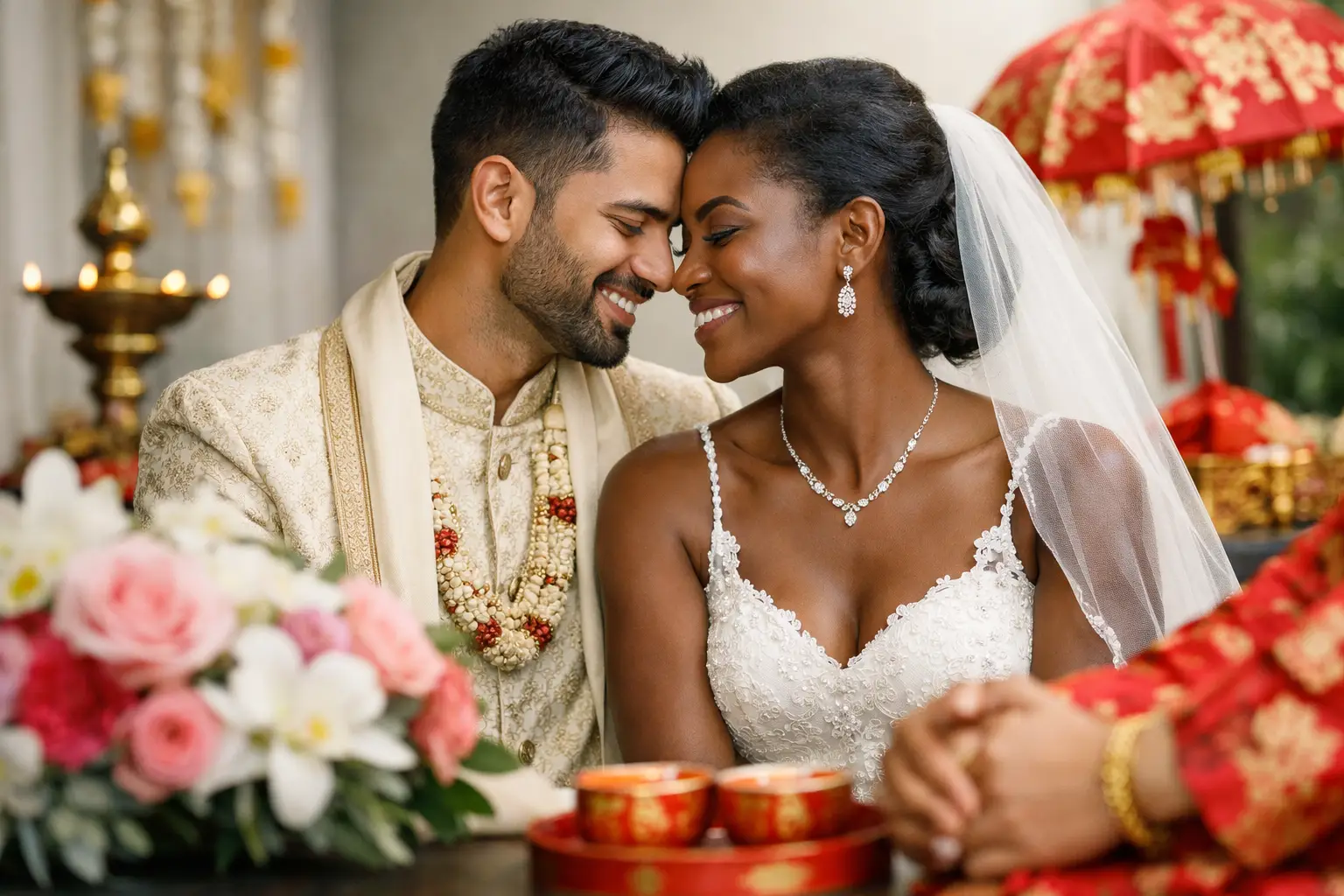
A wedding morning can begin with a quiet Western-style first look and build toward a vibrant baraat, tea ceremony, or traditional family blessing later that day. The most compelling multicultural wedding trends are not about combining details for visual novelty. They are about giving every tradition its proper place, then creating an experience that feels cohesive in person, in photographs, and on film.
For couples planning celebrations across cultures, the standard is higher than a beautiful palette or a well-designed reception. The day must hold emotional meaning for families, move gracefully between rituals, and make room for personal style. That is why the strongest direction in multicultural weddings is intentionality: fewer borrowed gestures, more considered storytelling.
Multicultural Wedding Trends Are Becoming More Personal
For years, the word “fusion” was often used to describe any wedding involving more than one culture. It can still be useful, but it does not fully capture what many couples are creating now. Rather than blending traditions into one generalized aesthetic, couples are choosing to honor distinct ceremonies with clarity.
A South Asian ceremony may retain its sacred sequence, attire, music, and family customs, while a civil or Western ceremony has its own visual language and emotional rhythm. A Chinese tea ceremony might be held privately at home before a formal reception. A Nigerian traditional celebration may receive the same production value as a white-gown ceremony, rather than being treated as a prelude to the “main” event.
This approach asks planners, photographers, fashion teams, and beauty artists to understand timing as much as style. The ceremony that happens first is not necessarily less significant. Each transition deserves preparation, privacy, and a visual plan that respects its role in the day.
Couture Bridal Fashion Is Designed for Multiple Moments
One dress, one hairstyle, and one makeup look rarely serve every part of a layered wedding weekend. The move toward wardrobe changes is not simply a fashion statement. It allows a bride or couple to dress with intention for each tradition, from a richly embellished lehenga or sari to a sculptural reception gown, a qipao, or a tailored tuxedo with heritage detailing.
The most refined styling does not force every look to match. It creates a relationship between them. A ceremony look may be luminous and classic, with heirloom jewelry as the focal point. The reception can shift toward a more editorial silhouette, dramatic texture, or a cleaner beauty direction that feels contemporary under evening light.
This is where couture sensibility matters. Fabric, embellishment, jewelry scale, neckline, veil placement, and hair structure all affect how a look reads. A heavily embroidered dupatta may call for a secure, polished updo that allows the textile and jewelry to remain visible. A sleek reception gown may invite a glossy, directional wave or a sculpted bun. Every choice should be designed for movement, close-up photography, and the perspective of guests seated only a few feet away.
Beauty Is Being Planned as a Full-Day Narrative
Bridal beauty is no longer treated as a single appointment before the first ceremony. For multicultural celebrations, it is a schedule of transformations that must preserve skin, hair, comfort, and visual continuity through many hours of celebration.
A well-planned look begins with the realities of the day: early call times, outdoor portraits, ritual heat, tears, embraces, head coverings, dance floors, and high-definition video. Skin should remain dimensional rather than overly powdered. Makeup needs to hold beneath flash photography without becoming flat in daylight. Hair must be secure enough for adornment, yet considered from every angle when the bride turns, bows, dances, or embraces family.
For South Asian bridal beauty in particular, the artistry is often in balance. Rich color, statement eyes, bold jewelry, and detailed garments can be magnificent together when the complexion remains polished and the features are defined with restraint. The goal is not to reduce the impact of traditional adornment. It is to create enough structure and luminosity that the bride remains the focal point.
A second look may require only a strategic change: loosening a ceremonial bun into soft movement, exchanging a dupatta for a veil, deepening the eye, adjusting the lip, or changing the placement of jewelry. These transitions are most successful when they are mapped before the wedding day, with a clear understanding of when the artist needs access and where touch-ups can happen without interrupting family rituals.
Heirlooms Are Taking Center Stage
The most memorable luxury weddings often include something no one else can purchase: a grandmother’s bangles, a mother’s veil, a family sari, a lace handkerchief, a mantilla, or a piece of jewelry carried through generations. These items bring texture and emotional gravity to a highly produced celebration.
The modern interpretation is not to place an heirloom on display and move on. Couples are incorporating these pieces into portraits, ceremony attire, and intimate getting-ready moments. A photographer can document the fastening of a necklace. A beauty artist can shape the hair to frame heritage earrings or accommodate a treasured headpiece. A planner can build a quiet moment into the timeline so the piece is presented by a parent or grandparent rather than handed over in a rush.
This is also a reminder that luxury is not synonymous with newness. It is care, provenance, craftsmanship, and meaning.
The Weekend Is Becoming a Visual Collection
Multicultural weddings frequently unfold across several events, and couples are styling them as an edited collection rather than a string of unrelated parties. The welcome dinner may feel fashion-forward and intimate. A mehndi or henna gathering may celebrate color and ease. The ceremony may lean formal and ceremonial. The reception can become cinematic, with a sharper evening beauty look and a more dramatic fashion statement.
Consistency comes from a point of view, not repetition. It might be a shared floral palette, a family crest, a particular shade of gold, or a through line of modern tailoring. It may also come from photography and lighting that honors varied complexions and textiles with equal care.
For destination weddings, this visual collection needs practical discipline. Humidity in Florida, wind on a coastal property, or a long transfer between venues can change what is possible with hair, makeup, and attire. The best creative plan is always grounded in the setting. A look that is exquisite in a New York ballroom may need different preparation for an outdoor ceremony in Miami or a multi-day celebration abroad.
A More Inclusive Standard for the Guest Experience
The most sophisticated multicultural celebrations make guests feel welcomed into traditions that may be new to them without turning those traditions into a performance. Clear ceremony programs, thoughtful signage, attentive hosts, and well-timed explanations can provide context while preserving reverence.
Food is another meaningful expression of this hospitality. Couples are moving beyond a single symbolic dish toward menus that reflect the actual way their families gather and celebrate. Music, too, is becoming more nuanced, with live musicians, regional sounds, and carefully paced sets that acknowledge both sides of a family without reducing either to a brief cultural cue.
There is no universal formula. Some couples want every event to blend their backgrounds; others prefer distinct ceremonies with distinct dress codes and menus. Both can be extraordinary when the choices come from the couple and their families rather than from a trend board.
The Most Enduring Trend Is Cultural Precision
A multicultural wedding should not require anyone to flatten their heritage for the sake of visual cohesion. The work is to make room for complexity, then refine it with confidence. That may mean scheduling two ceremonies, changing looks three times, or preserving one family ritual exactly as it has always been done.
At BridalGal, that perspective informs multicultural and couture beauty: polished artistry that understands the weight of a ceremonial look and the demands of a camera-ready finish. The right beauty direction does not compete with culture, fashion, or emotion. It holds them together.
As you shape the celebration, identify the moments your family would never want rushed, altered, or omitted. Build the timeline, wardrobe, and beauty plan around those first. Style becomes more powerful when it gives meaning the space to be seen.