


Which Foundation Works Under Flash for Brides?
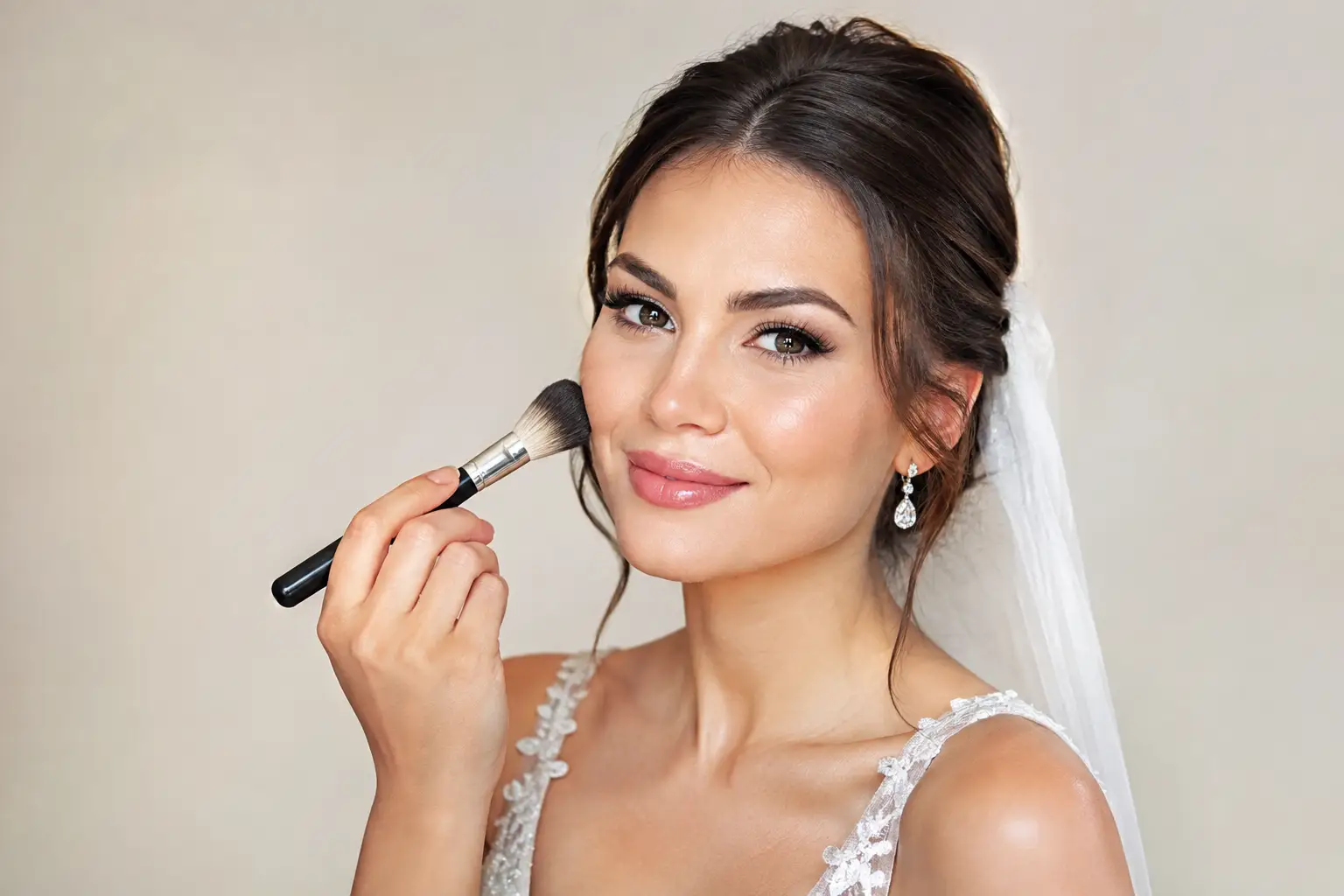
A bridal complexion can look exquisite in the mirror, then appear pale, flat, or unexpectedly textured in a flash photograph. The question of which foundation works under flash is not answered by a single bottle. It is answered by the relationship between skin preparation, formula, shade, lighting, and the finishing products placed on top.
For a wedding, especially one moving between daylight, candlelight, reception lighting, and professional photography, foundation must do more than offer coverage. It needs to preserve the dimension of the face and the character of the skin. The goal is not a mask. It is a polished, luminous complexion that remains recognizably yours from the ceremony through the final portrait.
Which Foundation Works Under Flash? Start With the Formula
The most reliable foundations for flash photography are complexion products without a high concentration of SPF filters that reflect light. Ingredients such as zinc oxide and titanium dioxide are excellent for sun protection, but in certain formulas and at certain levels, they can create a white or gray cast when hit with direct flash. This is often called flashback.
For bridal portraits and evening celebrations, a professional artist will often select a camera-conscious, medium-to-full coverage foundation with a natural, skinlike finish. A formula that is too dewy can read as shine under strong lighting. One that is too matte may catch on texture, settle around expression lines, or make the skin appear one-dimensional in high-resolution images.
The ideal finish usually sits in the middle: perfected, softly luminous, and controlled where the skin naturally becomes more reflective. This balance is particularly significant for brides wearing intricate jewelry, embellished veils, or couture garments. When the rest of the look carries light beautifully, the complexion should look refined rather than overly powdered or overly glossy.
Why SPF Can Change a Photograph
Not every product containing SPF will photograph poorly, and no bride should be discouraged from wearing sun protection for daytime events. The issue is not SPF as a category. It is the amount and type of light-reflective mineral filter in the formula, combined with the intensity of the flash and the amount of product applied.
A bridal makeup application may include sunscreen during skin preparation, followed by a foundation chosen specifically for photography. This allows the skin to be protected while keeping the visible complexion layers more predictable under flash. Testing the exact combination matters more than relying on a label alone.
Coverage Is Not the Same as Thickness
A foundation can provide substantial coverage without looking heavy. The distinction comes from pigment quality, thoughtful layering, and skin prep. Rather than applying one dense layer everywhere, an artist can use a thin, even veil of foundation and build only where more correction is needed.
This approach keeps the center of the face polished while allowing the cheeks, forehead, and jawline to retain natural dimension. It is especially beautiful in close portraiture, where thick makeup can become more noticeable than the skin concerns it was meant to conceal.
The Shade Match Must Survive Flash, Not Just Daylight
A foundation that appears correct at a makeup station can shift under a camera flash. Undertone is often the reason. A shade that is too pink, too yellow, too golden, or too olive may become more pronounced in photographs, particularly when a bride’s neck, shoulders, and décolletage are visible.
The most flattering match respects both the face and the body. This may mean custom blending, especially for clients whose complexion carries multiple undertones or changes seasonally. Multicultural bridal beauty requires this level of attention. Skin is never a simple category, and a single shade family rarely tells the full story.
For South Asian bridal looks, rich complexion shades, vibrant textiles, gold jewelry, and high-pigment eye makeup create an especially luminous visual composition. The foundation must anchor the entire look without dulling the warmth and depth of the skin. An overly matte or ashy base can weaken the impact of even the most beautifully designed bridal styling.
A flash test is invaluable. After foundation, concealer, powder, bronzer, and setting products are complete, take a photograph with direct flash from the front and from a slight angle. This reveals whether the under-eye area is too bright, the T-zone is overly reflective, or the complexion differs from the body.
Powder Is Often Where Flashback Begins
Foundation receives most of the attention, but the finishing powder is frequently the product that creates a pale cast in photographs. A generous amount of translucent powder can look invisible in person and suddenly become visible beneath flash, especially beneath the eyes, through the center of the forehead, and around the mouth.
The answer is not to avoid powder entirely. A bridal complexion needs strategic setting for longevity. The technique is to use a finely milled formula in a minimal amount, pressing it into areas that need stability rather than dusting it across the entire face. A powder that complements the bride’s skin tone often photographs more naturally than one labeled universally translucent.
Under-eye baking, while effective for certain editorial moments, can be risky for a long wedding day if flash photography is a priority. It can brighten the area dramatically, but it may also create a stark contrast against the rest of the face. For bridal work, softness tends to be more enduring than excess.
Skin Preparation Sets the Foundation Apart
No foundation performs at its best on dehydrated, congested, or over-prepped skin. Dry areas can absorb pigment unevenly, while an overly rich moisturizer or slick primer can cause separation as the day progresses. Skin preparation should be customized to the bride’s actual skin condition on the wedding day, not simply her usual skin type.
For dry or mature skin, hydration and a light smoothing layer can help foundation melt into the complexion. For combination or oily skin, targeted hydration is still essential, but shine control may be focused through the T-zone. The cheeks can retain a soft radiance while the center of the face is prepared for longevity.
This is why trials matter. A bridal preview is not only a chance to select lipstick or refine an eye shape. It is a controlled opportunity to see how the full complexion story wears over hours and photographs in the lighting that matters. A sophisticated look should be designed for movement, emotion, heat, hugs, and the camera.
Foundation Under Flash Depends on the Event
A daytime garden ceremony, a candlelit ballroom reception, and a fashion-forward editorial wedding do not ask the same things of foundation. Daylight reveals texture honestly, so a lighter, more skin-forward finish may be preferred. Evening flash permits more polish, but it still rewards restraint. A couture-inspired look can support stronger sculpting and a fuller complexion, provided every layer has been tested on camera.
Video adds another consideration. Skin that looks striking in a still image may look overly matte or overly reflective in motion. The most successful camera-ready foundations hold a quiet luminosity that moves naturally as the bride turns, laughs, and embraces the people around her.
At BridalGal, complexion work is approached as visual craftsmanship. The foundation is not an isolated step. It is the architectural base for every detail that follows, from a soft bridal glow to a defined editorial eye.
A Final Flash Test Before the Celebration
Before leaving for the ceremony, take one final direct-flash image after the entire look is complete. Check the face against the neck and chest, look closely beneath the eyes, and notice whether any powder or highlight is catching too strongly. If a touch-up is needed, a small adjustment at this stage can make a meaningful difference in the photographs kept for decades.
The best foundation under flash is the one that lets the bride remain present rather than concerned with how she will appear in every frame. When the complexion is expertly matched, thoughtfully set, and tested in real light, the camera sees what the room sees: a bride looking entirely, unmistakably herself.